Skip to content
Have questions? Penka Rare Books and Archives is online now!
Virtual Book Fair Exclusive

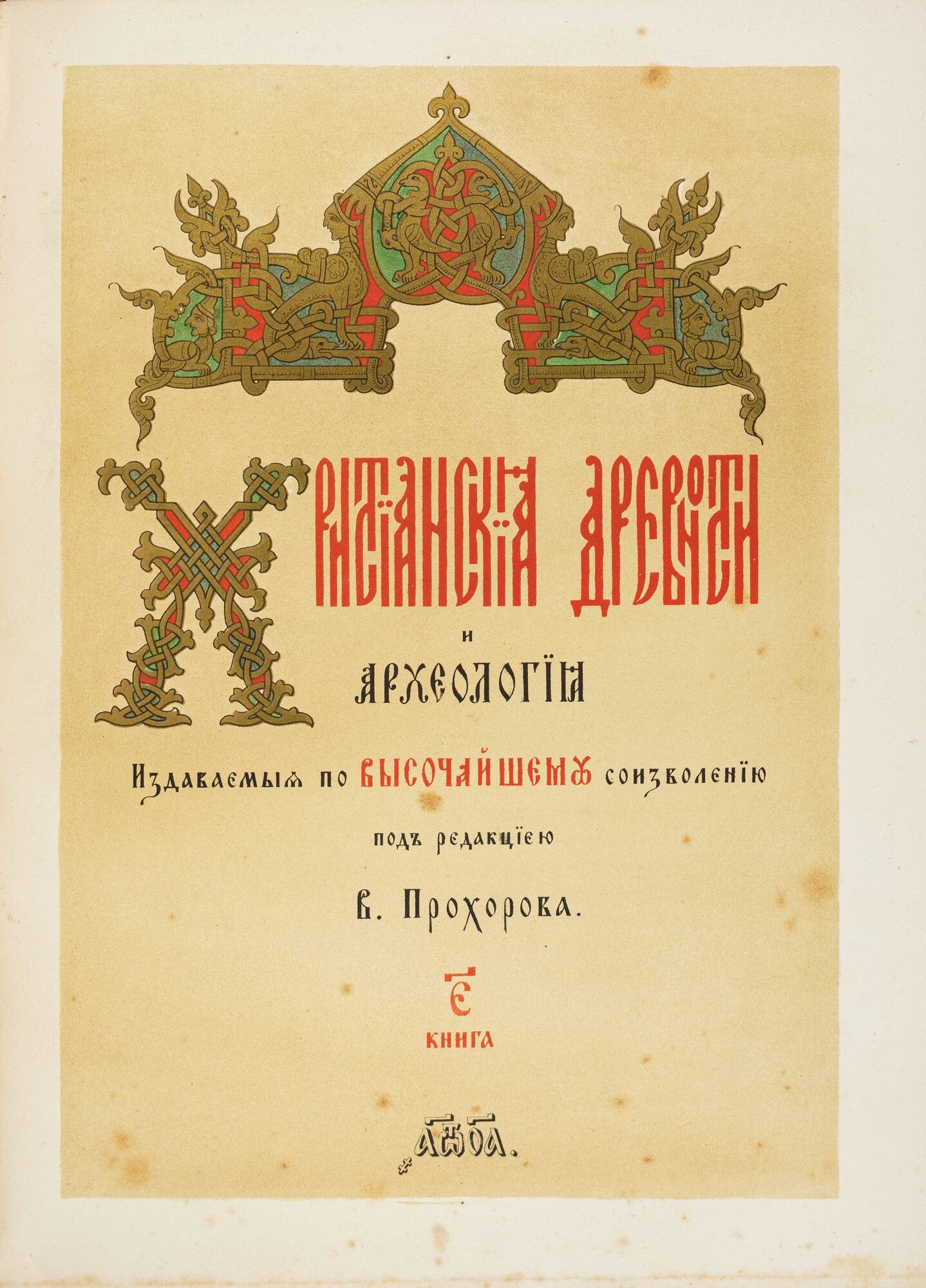
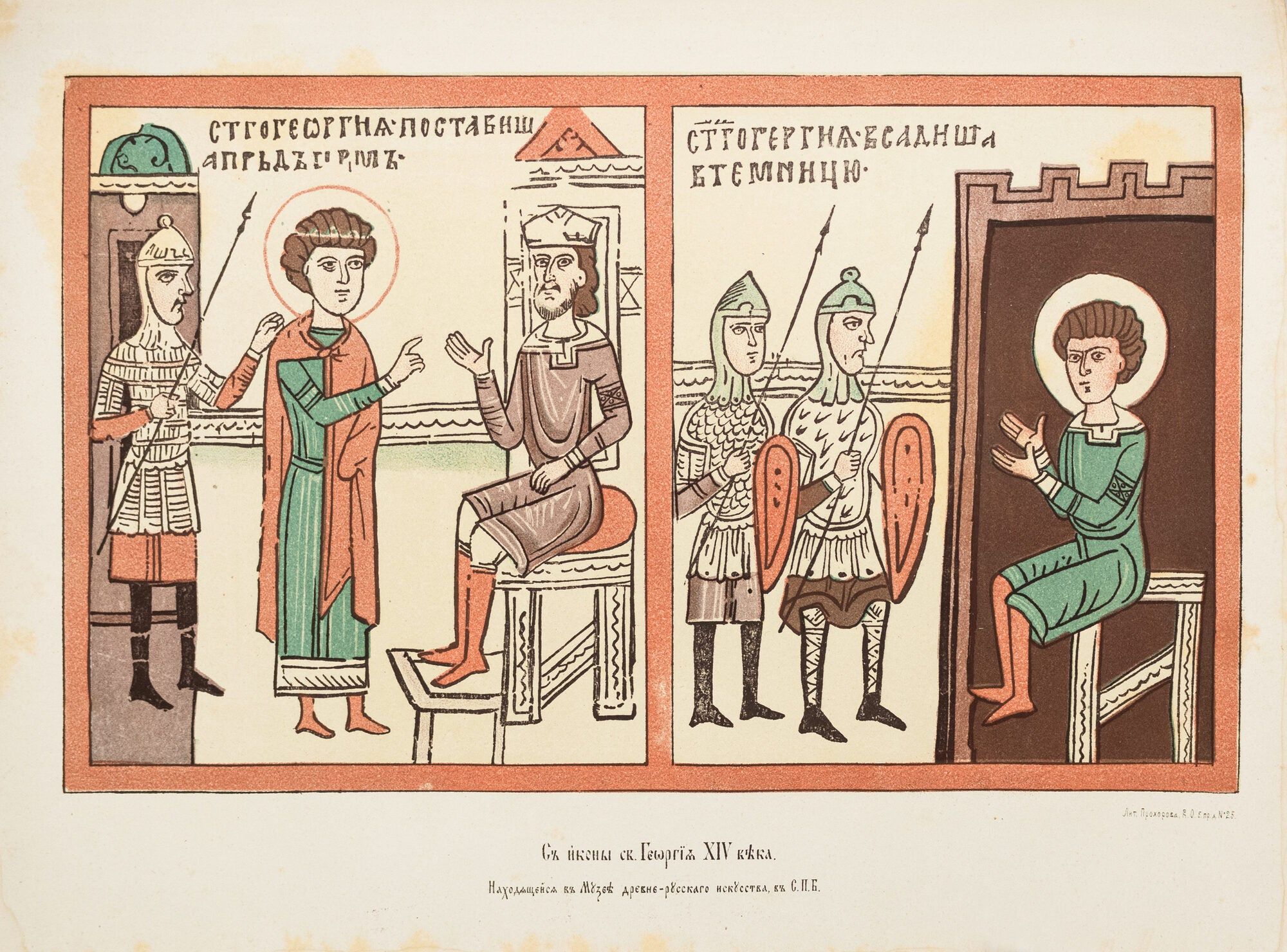
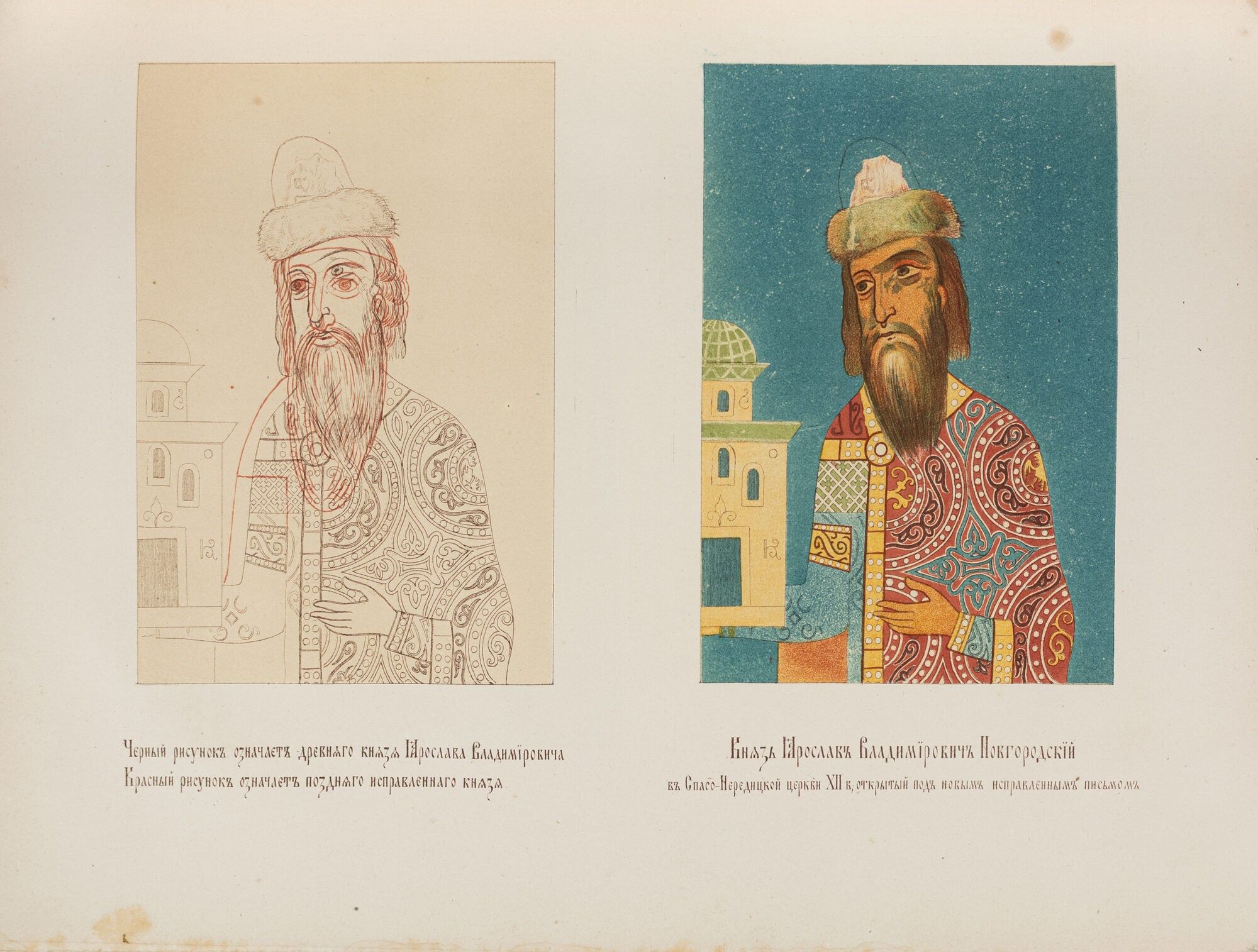
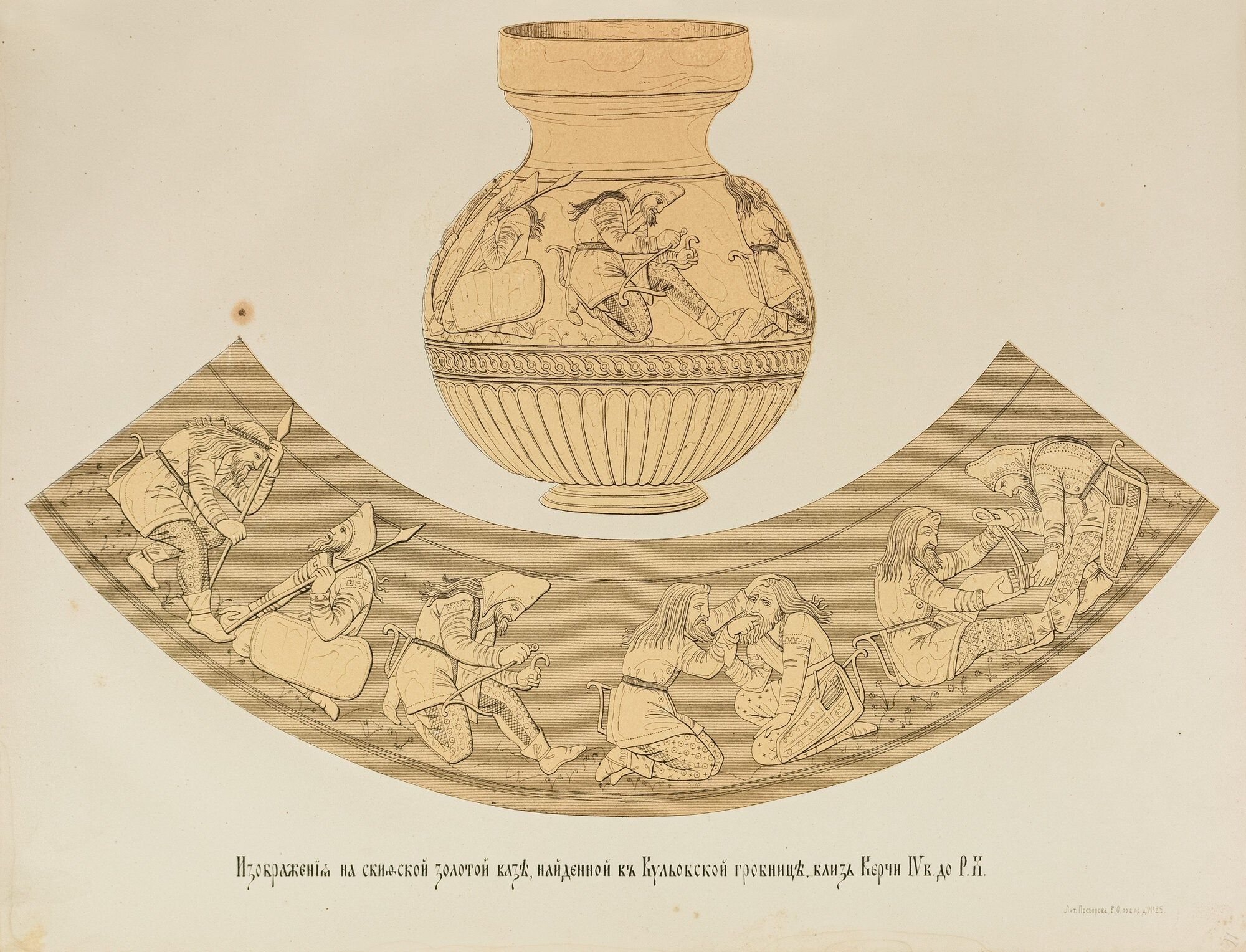
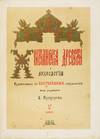
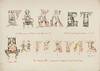
[EARLY COLOR PRINTING IN RUSSIA BY A SELF-TAUGHT ANTHROPOLOGIST] Khristianskiia drevnosti i arkheologiia [Christian antiquities and archaeology], nos. 1-6 (1871) and 1 (1872). WITH: Russkiia drevnosti [Russian antiquities], nos. 1-6 (1871)

Prokhorov, Vasilii

3,500
  • Binding: Hardcover
  • Location: St. Petersburg
  • Date: 1871-1872
  • Seller SKU: 55409

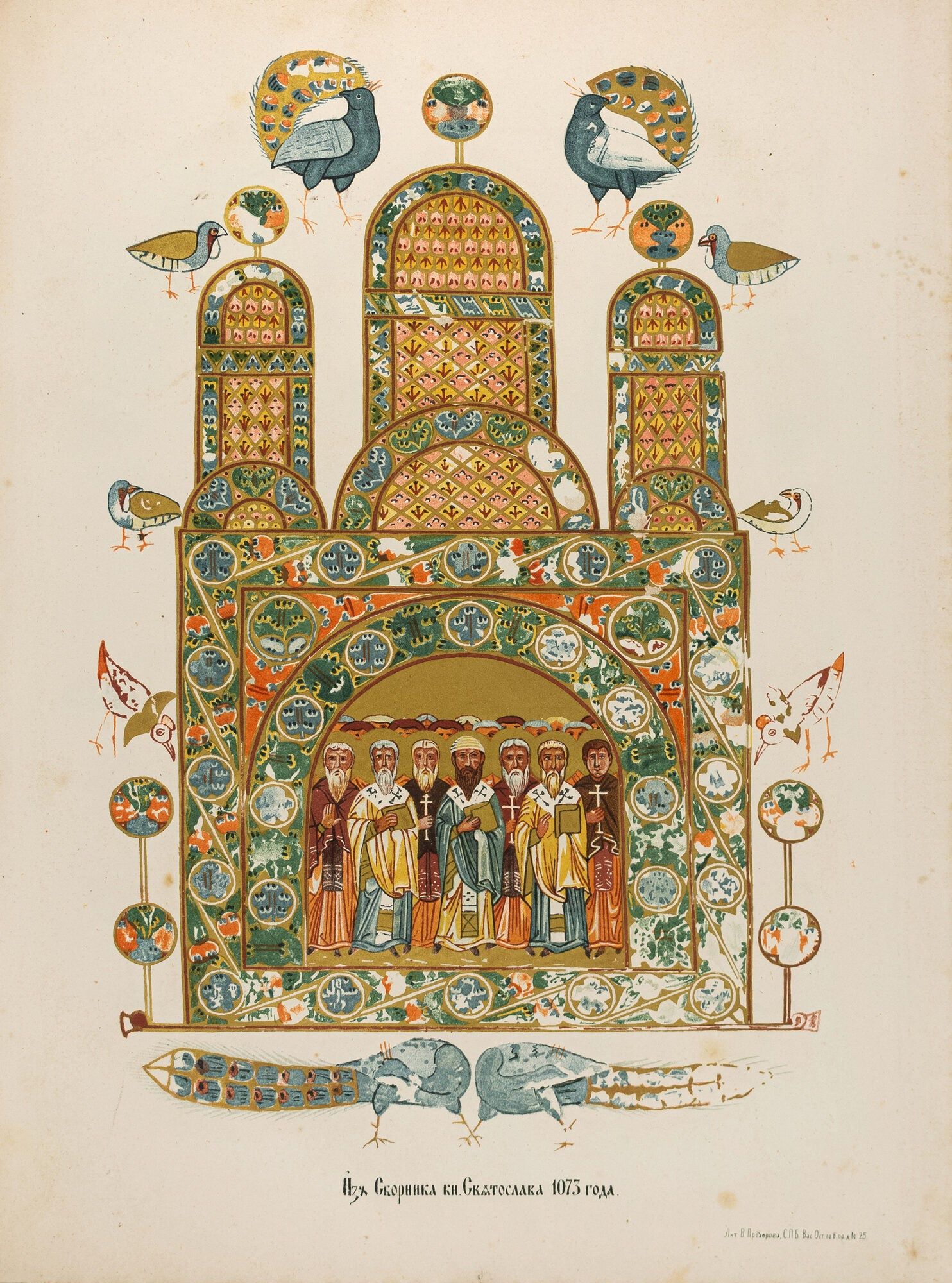
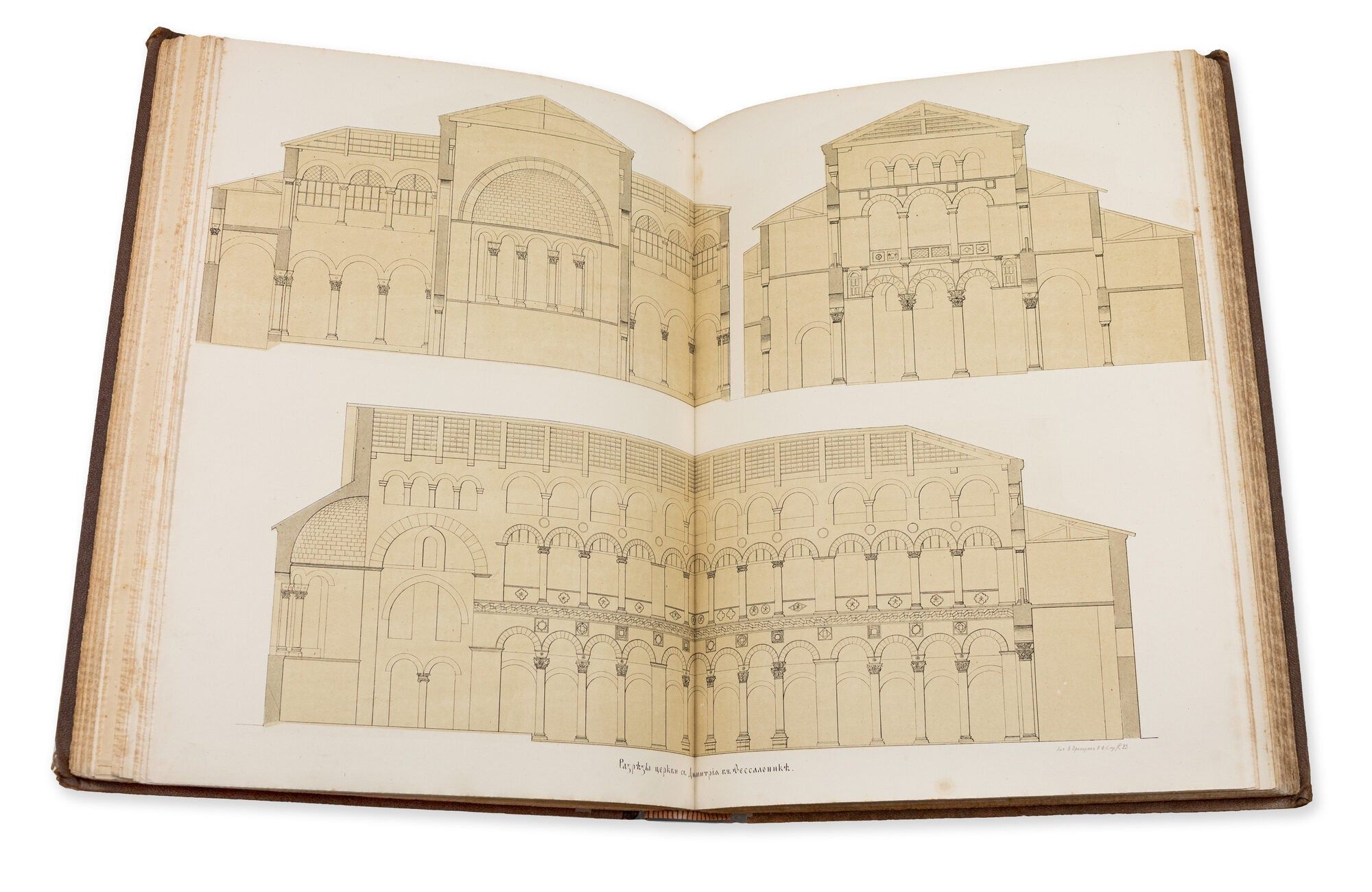
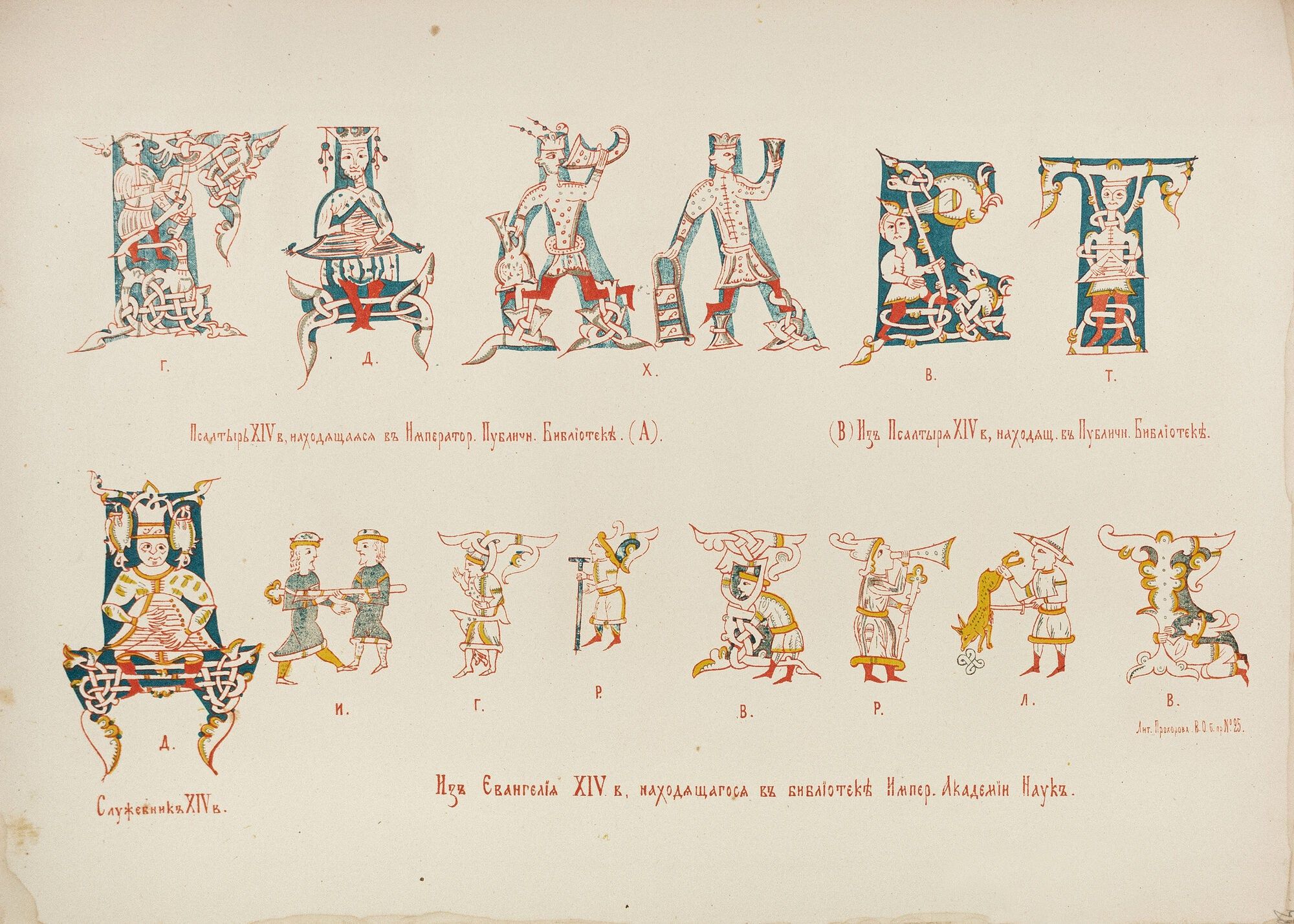
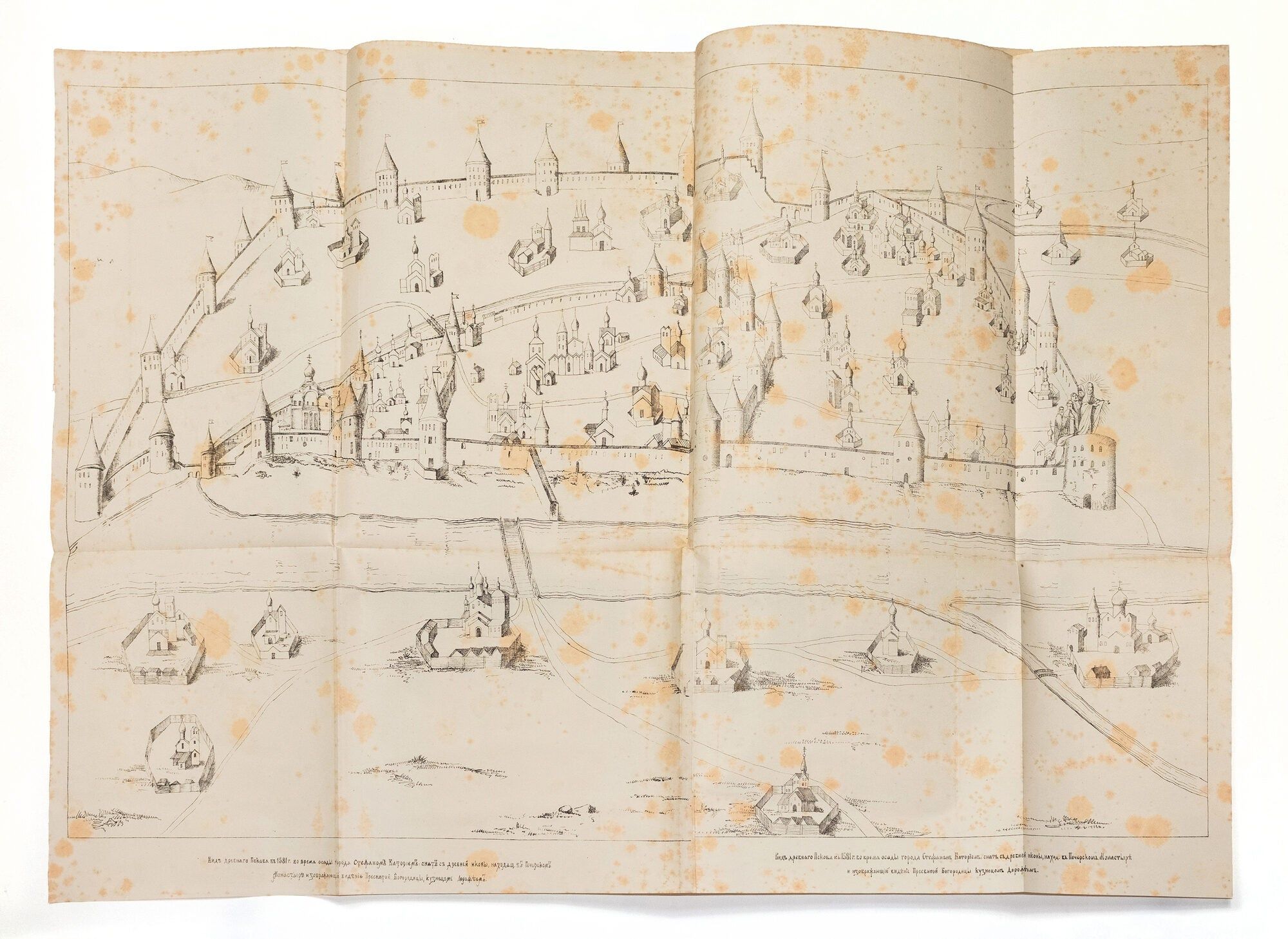
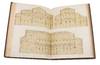
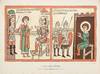
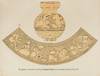
St. Petersburg: Press of the Imperial Academy of Sciences, 1871-1872. Folios (36 × 28 cm). Contemporary quarter-leather binding with gilt-embossed text to spine with thirteen issues for two years, bound in two volumes with continuous annual pagination, including the original wrappers: Vol. I: Khristianskiia drevnosti i arkheologiia [Christian antiquities and archaeology]: 64 pp., interspersed with 57 unnumbered lithographed plates, most in colour (1871); 73 pp., with 55 unnumbered lithographed plates, most in color, and one foldout map (1872). Vol. II. Russkiia drevnosti [Russian Antiquities]: 64 pp., interspersed with 59 unnumbered lithographed plates, most in color (1871). Bookplates of Maria Alexandrovna, Empress of Russia to endpaper ("Biblioteka Livadii"). Boards lightly rubbed; corners bumped; traces of paper labels to bottom of spines; spotting and staining; occasional foxing throughout; still about very good.

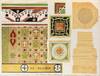
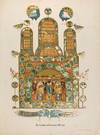
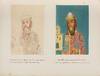
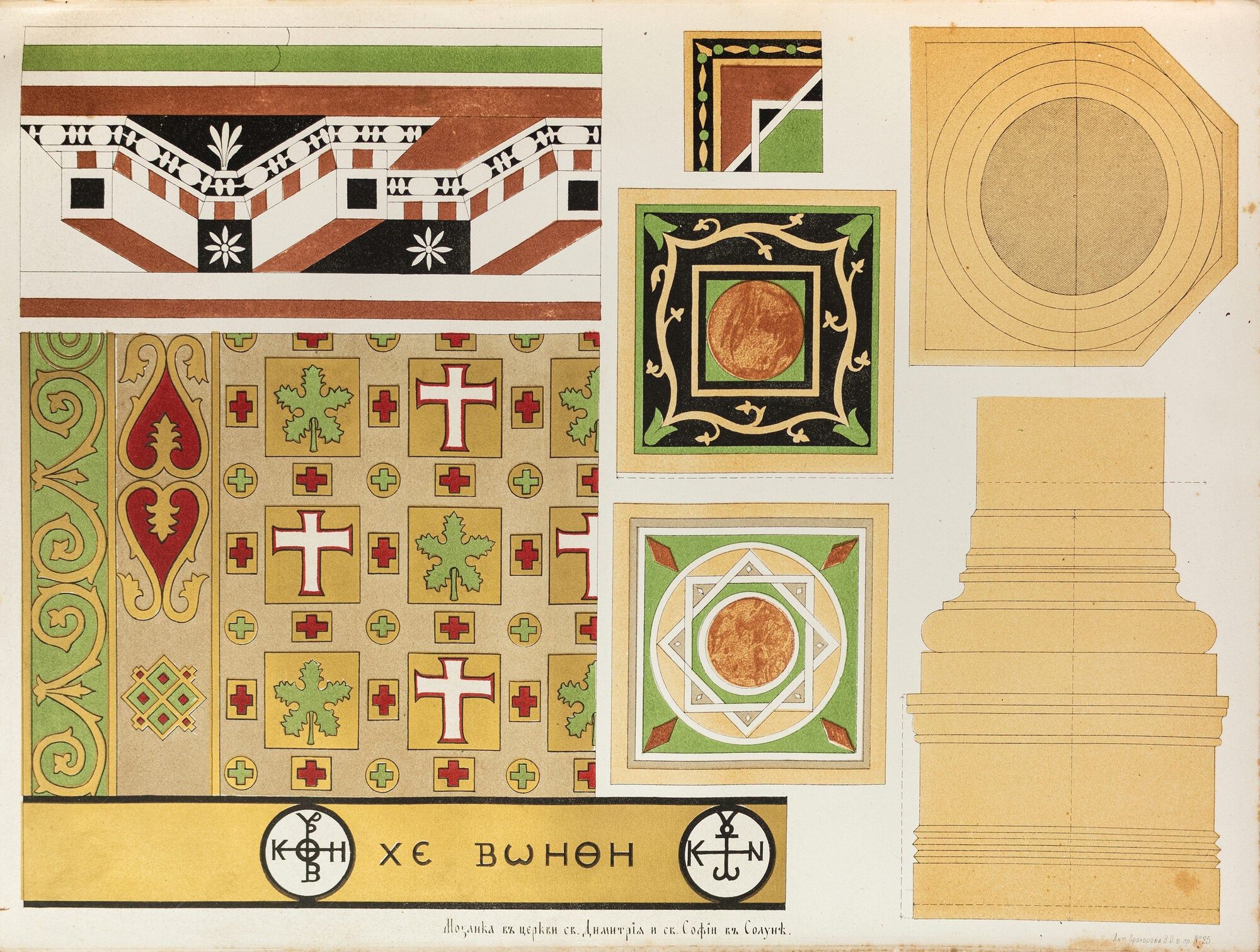
Thirteen issues in two volumes for 1871-72 of this unique artistic and archaeological magazine, illustrated with renderings of ancient monuments of Byzantine art and architecture, as well as iconography, architecture, decorative elements, typography, and dress from Kyiv, Moscow, Novgorod-Pskov, and Vladimir among others. Chromolithograph illustrations dominate the volumes, with an introductory text to each issue providing the basic information to the illustrations. Volume I is appended with a large fold-out plan of Pskov from 1581, sketched by the author from an icon of that period. The editor of the magazine, archaeologist and art historian Vasily Prokhorov (1819-1892), also created all the illustrations in the magazine himself.

Prokhorov studied theology at the Kherson Theological Seminary (Ukraine) before moving to the Imperial Academy of Art (St. Petersburg) to study art and architecture, a course he did not finish due to a preference for art history. A competent draftsman due to his artistic education, he focused on creating faithful reproductions of architectural monuments for the purpose of their study. He was also an avid collector of ancient art objects, and undertook numerous trips around Russia and Ukraine (in 1863, 1867, 1869, and 1871-1875) to collect objects for his own collection as well as for the collection of the Museum of Christian Antiquities at the Imperial Academy of Arts, which he directed starting in 1862. In the same year, he began the publication of the present journal, and created a chromolithograph studio in his home in order to make the brilliant color prints for his publications. The publication was suspended in 1865 due to lack of funds, but in 1871, after receiving a subsidy, it was revived in the form of two sections: "Christian Antiquities," published in 1871-1872, 1875, and 1877, and "Russian Antiquities," published in 1871 and 1876. His personal collection of objects was also later acquired by the Academy of Art. In this period, Prokhorov also founded an ethnographic Museum at the Imperial Geographic Society. His largest work, "The History of Russian Clothing" was not finished at his death, and was completed posthumously by his son.

Provenance: From the Livadia Palace Library of Empress Maria Alexandrovna (1824-1880), wife of Alexander II. With the bookplate of Maria Alexandrovna, Empress of Russia, to front pastedowns. In 1861, Emperor Alexander II presented the estate in Livadia to his wife, Empress Maria Alexandrovna. After the reconstruction, the Livadia palace could only be compared with the royal palaces in Peterhof and Tsarskoye Selo. Livadia became the favourite summer residence of Empress Maria Alexandrovna and the site of her home library. Nationalized along with other major imperial collections after the Bolshevik Revolution, the Livadiia library was dispersed and these volumes were likely sold abroad in the early 1920s, as they feature no other markers of provenance.

As of March 2026, KVK, OCLC show complete runs of Khristianskiia drevnosti for 1971 and 1972 at two institutions in North America, with scattered issues at other institutions.

Offered by Penka Rare Books and Archives

Penka Rare Books and Archives
Specializing in Art And Architecture, Art And Design, Avant-Garde, Early Printing, History and Modern Art.

Established in 2012, Penka Rare Books and Archives specializes in art, architecture, visual culture and the avant-gardes — from early printed books to digital and computer art — supplying museums and research libraries as well as private collectors worldwide with rigorously researched, culturally significant material. With our expertise in most Slavic languages, a special focus is on Central and Eastern Europe. A secondary interest is the processing and sale of archival collections, especially artist archives.


As members of the Verband Deutscher Antiquare (VDA) and the Antiquarian Booksellers' Association of America (ABAA), and as affiliates of the International League of Antiquarian Booksellers (ILAB), we proudly abide by these organisations' strict code of ethics.


For more information, please visit www.penkararebooks.com or contact us at [email protected]. All shipping quotes are for FedEx worldwide. With our expertise in almost daily international shipments, we will facilitate smooth delivery of your purchase.

Contact the Seller
Philipp Penka
Gustav-Müller-Str. 40
Berlin, 10829
Phone/Text: +491781694138

Orders are processed in the order of receipt and all items are offered subject to prior sale. Our books are carefully described, with minor flaws not always explicitly stated, but always reflected in our prices. All prices are in EURO. Any item is returnable within thirty days for any reason. We kindly ask that you notify us before returning your purchase by email or phone. Returns must be carefully packaged and shipped by registered mail only. If a returned item is received in significantly worse condition, the customer is liable for compensation. Invoices are to be paid within fourteen days, without further discount. Place of delivery and exclusive place of jurisdiction for both parties for any disputes is Berlin, Germany.

tracking-