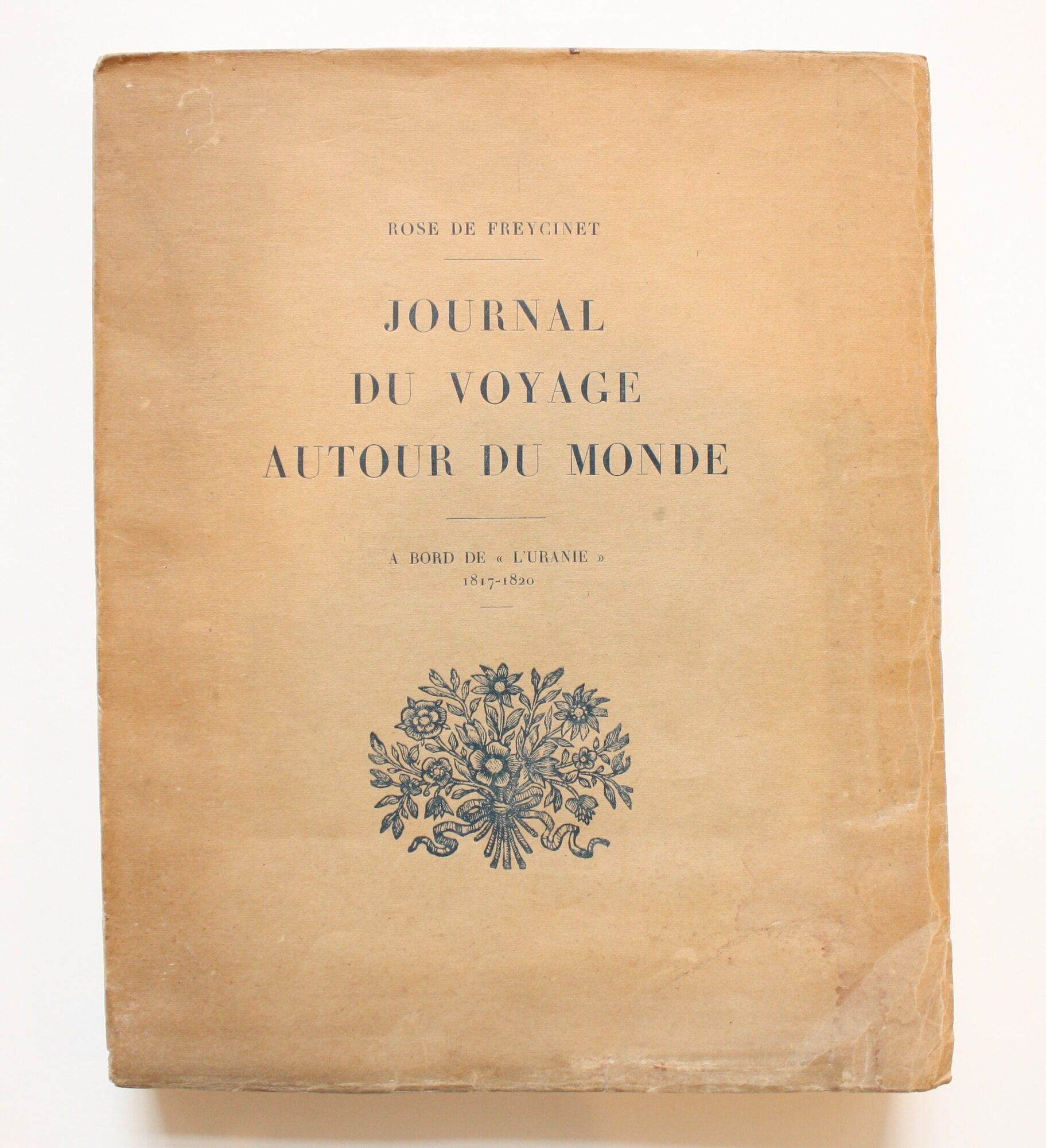
195 pp. volume with 25 mostly full-color plates being a printing of the journal kept by famous stowaway Rose Freycinet during a voyage around the world a hundred years prior. Quarto (11 x 9 inches). Original publisher's printed wrappers bound in custom contemporary board and leather binding. Covers browned and soiled, some creasing and edgewear, spine lightly shaken, paper loss and old worm damage along spine, light toning and edgewear to interior pages, pages uncut, plates mostly clean. Paris: Société d'Éditions Géographiques, Maritimes et Coloniales, 1927. Rose Freycinet (1797-1832) was a Frenchwoman who famously accompanied her husband, French naval officer and cartographer Louis (1779-1841) on his circumnavigation of the Earth on the corvette 'Uranie'. This expedition was the first scientific expedition to depart from France after the Napoleonic Wars. The Uranie carried, along with Freycinet, a hydrologist, two naturalists, and an artist and his draughtsman, and had the goal of gathering information in the areas of geography, ethnology, astronomy, terrestrial magnetism, meteorology, and natural history during its expedition. The ship sailed to Australia, New Guinea, the Mariana Islands, the Hawaiian Islands, additional Pacific islands, South America, South Africa, Mauritius, Guam, and other locations during its three-year journey. Eventually the ship was wrecked off the coast of the Falkland Islands during its return trip to France, and the sailors were stranded for 2 1/2 months before being rescued by an American ship, the Mercury.
Louis Freycinet also notoriously snuck his wife, Rose, on board, initially disguised as a man. Accounts indicate that becoming a stowaway was actually Rose's idea, imagined years earlier and solidified when Louis received approval for the expedition. She went on board on September 16, 1817, and reports of her presence soon reached the French media. Women at the time were not allowed to be aboard Navy vessels, but the Uranie's first French port of call was not reached until 1818, at the island of Réunion, where the governor was apparently not immune to Rose's charm and did not act against her. By the time she returned to France three years after they had embarked, she was something of a national hero.
Louis prepared for her presence on board by refurbishing the living quarters and having much attention paid to hygiene and food safety. While Rose was not the first woman to circumnavigate the globe, she was the first to record her experiences in a diary. She did not intend her writings to be made public, and they were therefore quite personal, honest, and forthright. Her writings mostly took the form of letters to her cousin, Caroline de Nanteuil, and they remained in family archives and were not published until 1927, over 100 years after she wrote them, as represented by the present volume.
In her writings, Rose describes, among other things: her clandestine departure from Toulon at midnight; an encounter with Algerian pirates; a visit to Rio de Janeiro; the death of an officer on board; being hosted by the governor of Mauritius and his wife; horse racing in Mauritius; the women's society of Bourbon Island; a Chinese Full Moon Festival on the island of Timor; the indigenous people of the Mariana Islands; an interaction with the Ombay people; the rounding of Cape Horn; the shipwreck of the Uranie; time spent stranded in the Falkland Islands; and the eventual return to France.
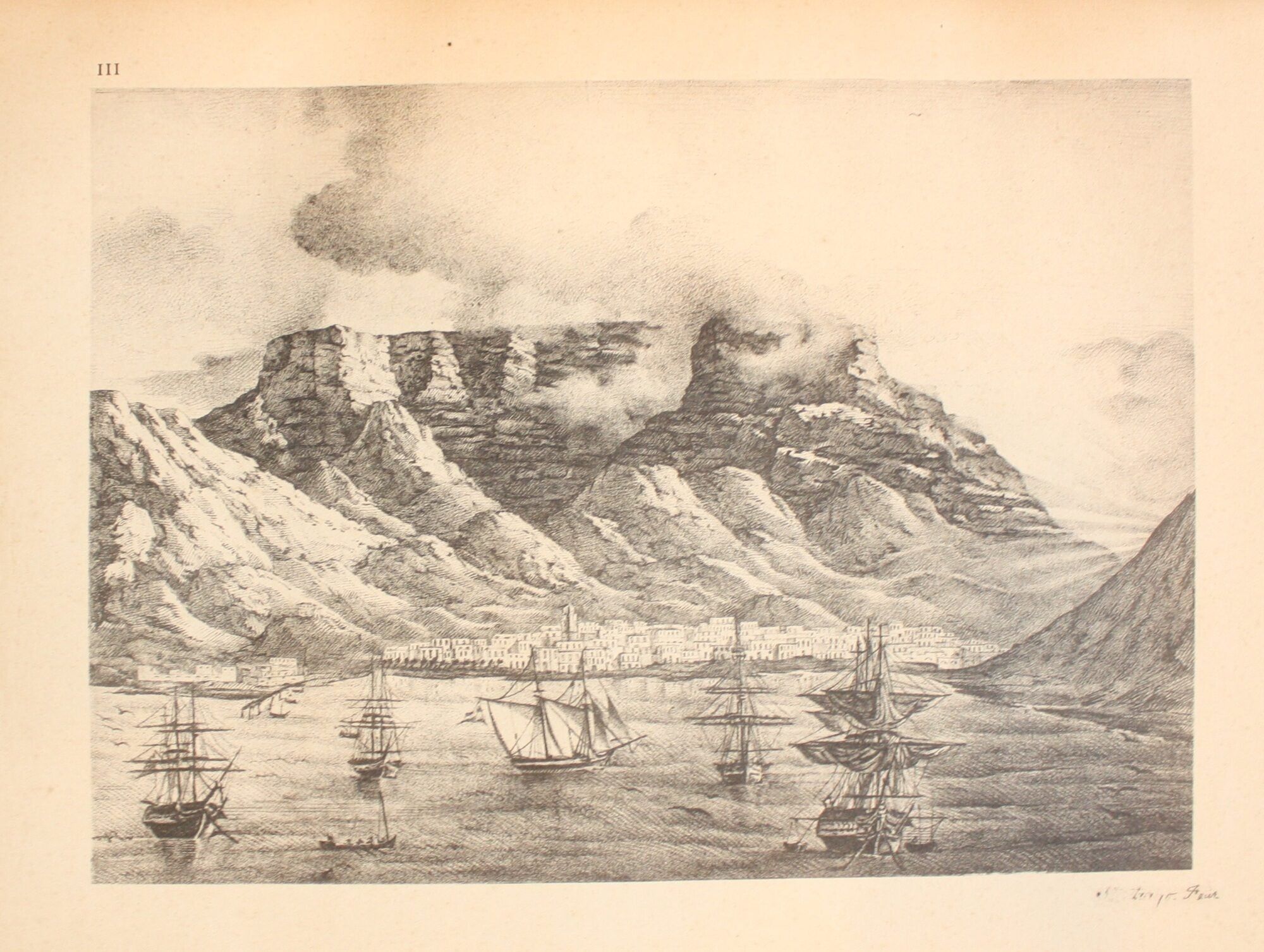
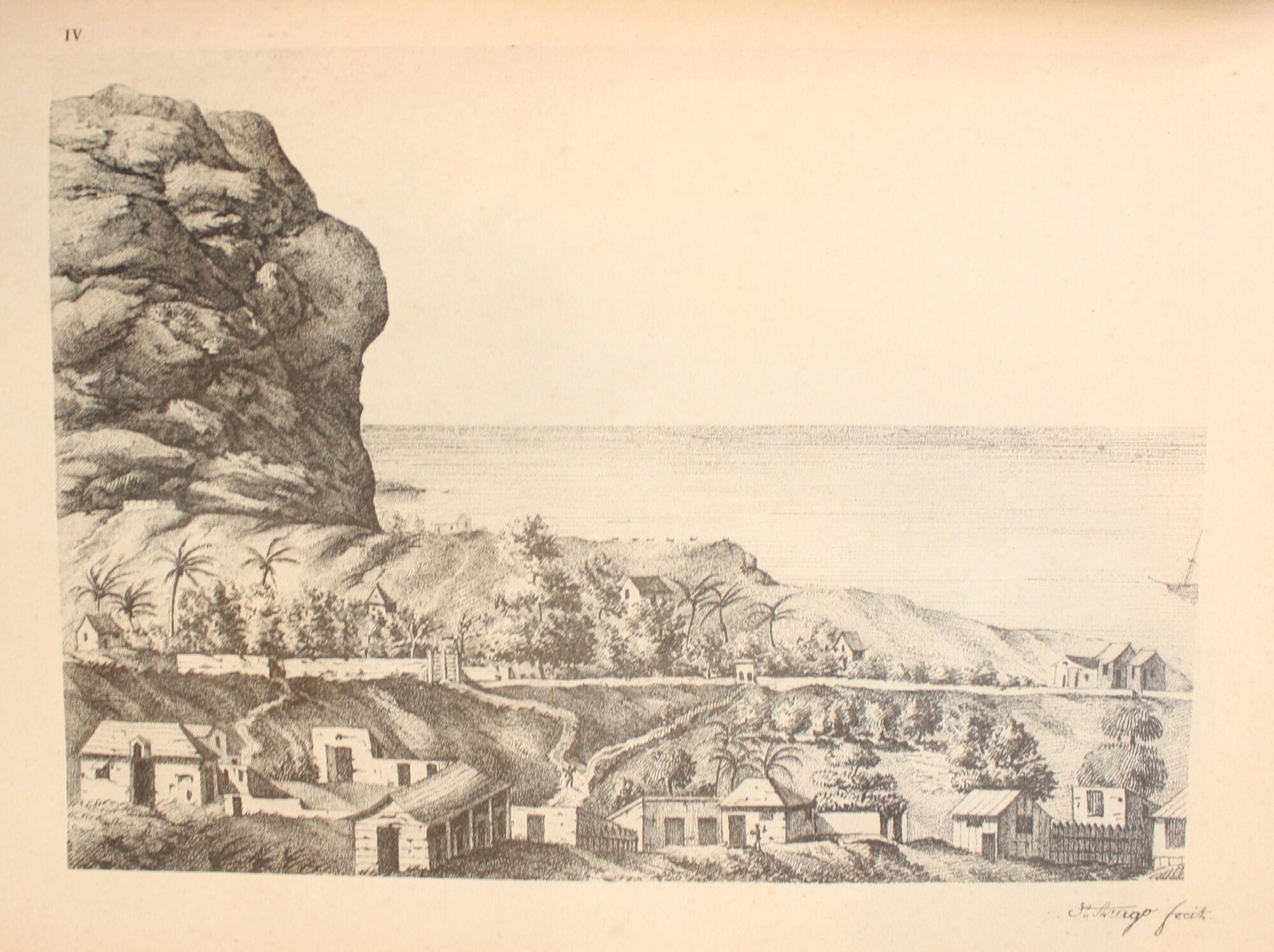
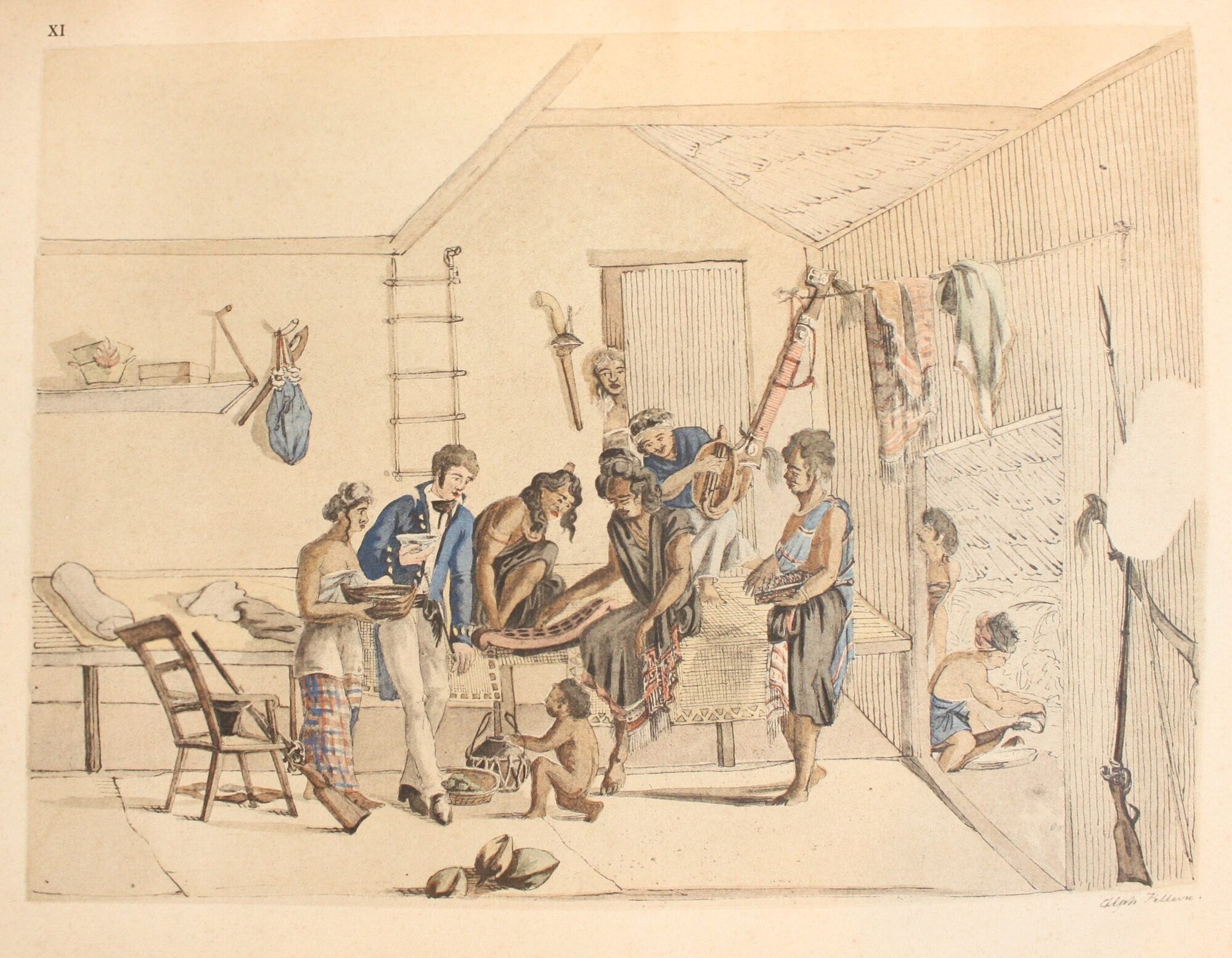
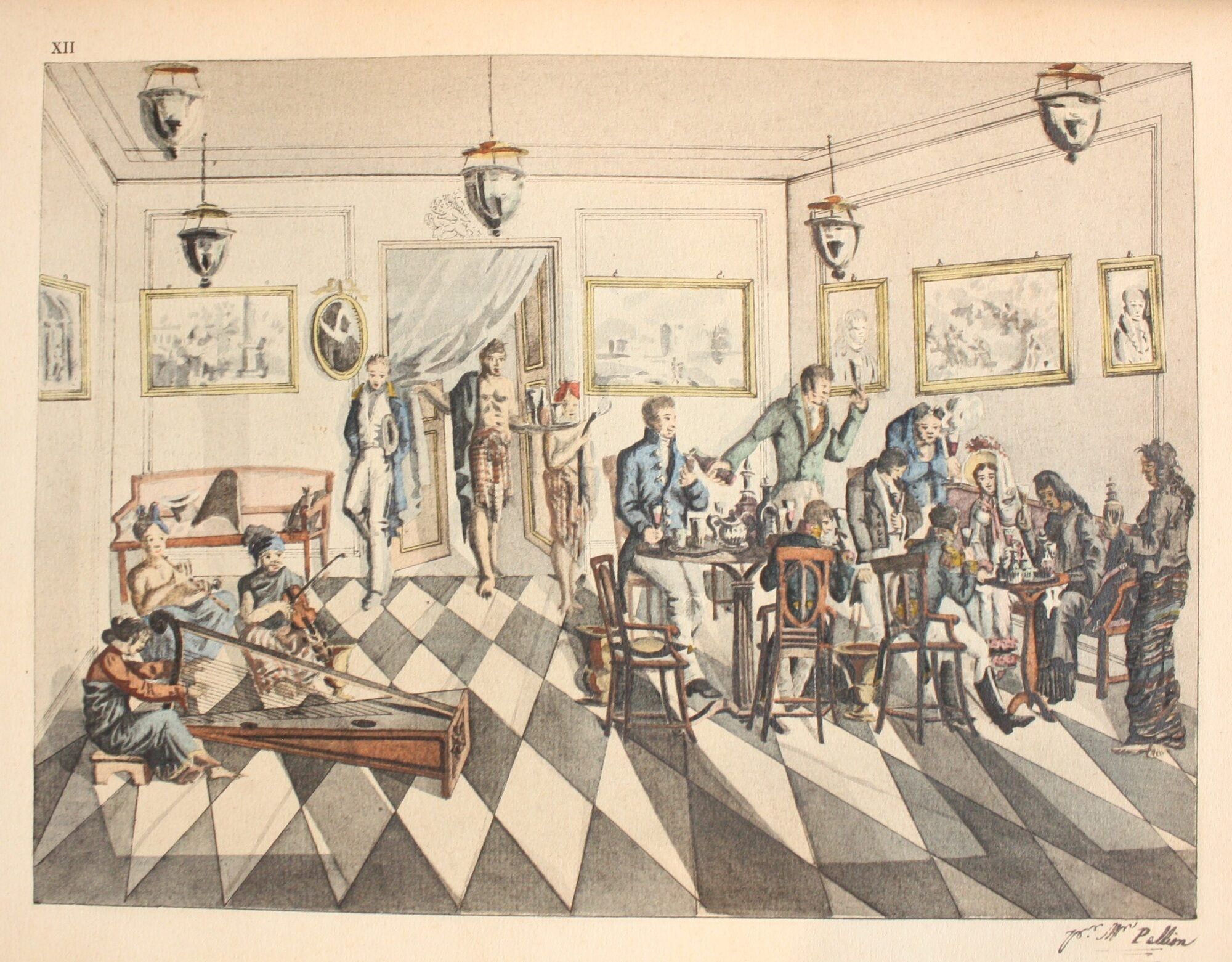
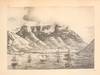
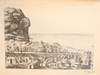
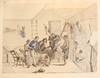
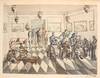
This published edition is also accompanied by 25 full-page plates, most in color, after original drawings made by Jacques Arago and Alphonse Pellion while on board the Uranie. They include scenes such as visits with royalty, meetings with "savages", dances, landscape views, dwellings, and other views which have much geographic and anthropologic interest.
A fascinating journal from a groundbreaking female voyager. Rare; as of March 2026, OCLC locates only six holdings of this work in North American libraries.