Skip to content
Have questions? Penka Rare Books and Archives is online now!
Virtual Book Fair Exclusive

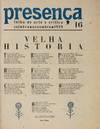
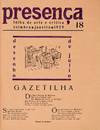
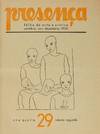
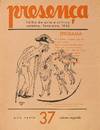
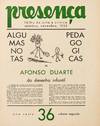
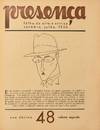
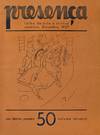
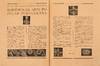
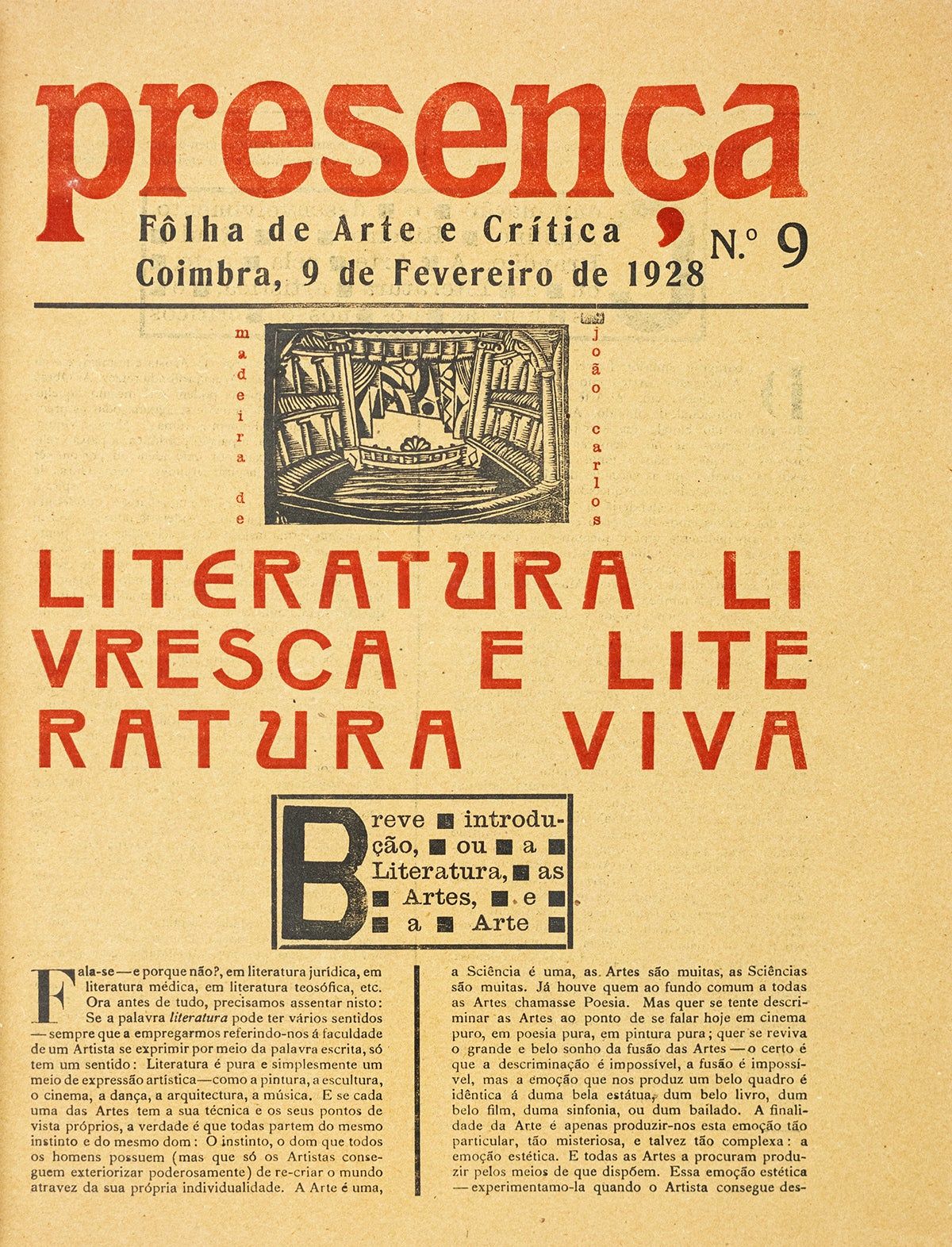
[KEY JOURNAL OF THE PORTUGUESE AVANT-GARDE] Presença: Fôlha de Arte e Crítica [Presence: Art and Criticism Leaflet]. Year 1-11, nos. 1-53/54 and year 12, nos. 1-2 (all published). In 3 volumes

19,500
  • Location: Coimbra
  • Date: 1927-1940
  • Seller SKU: 54763

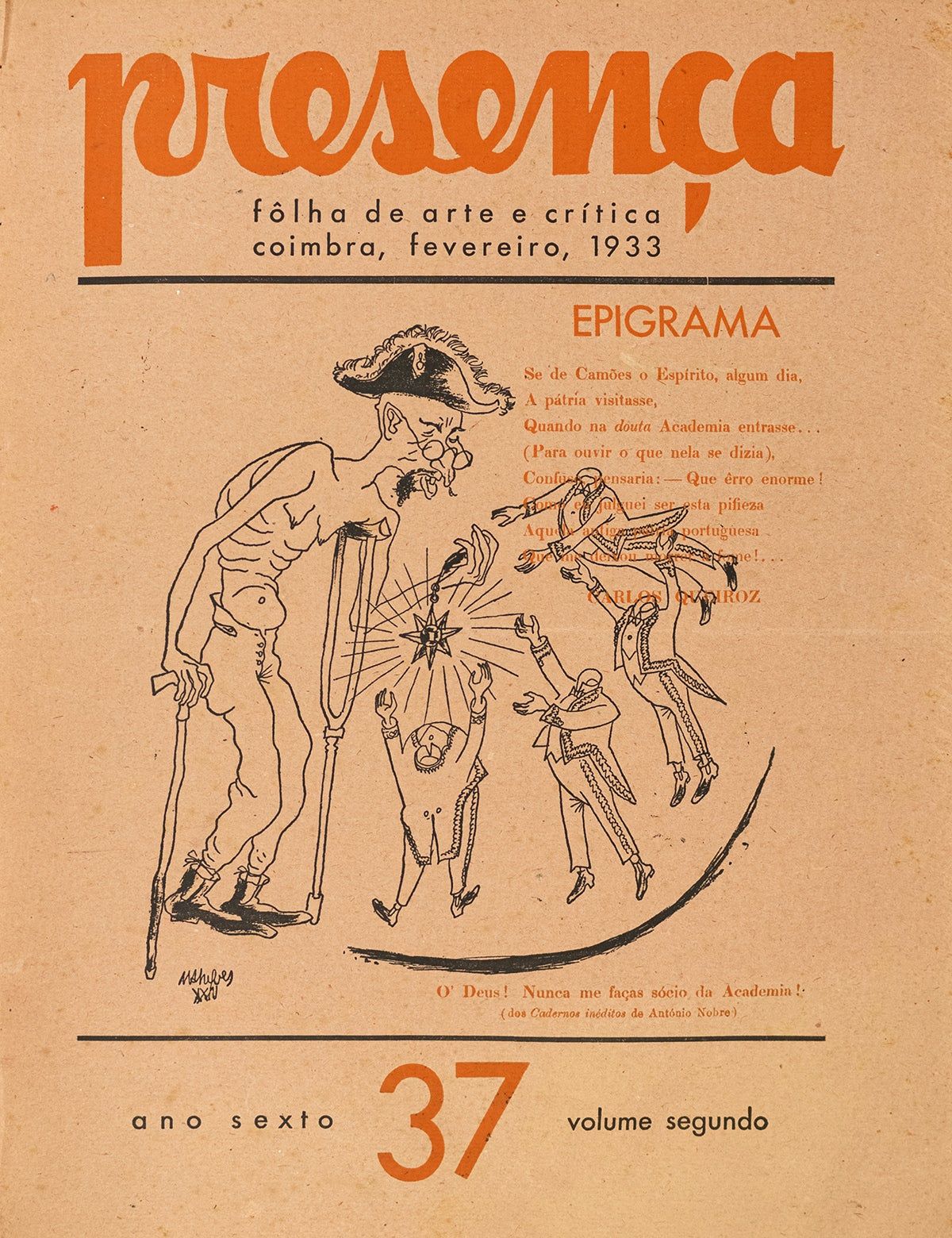
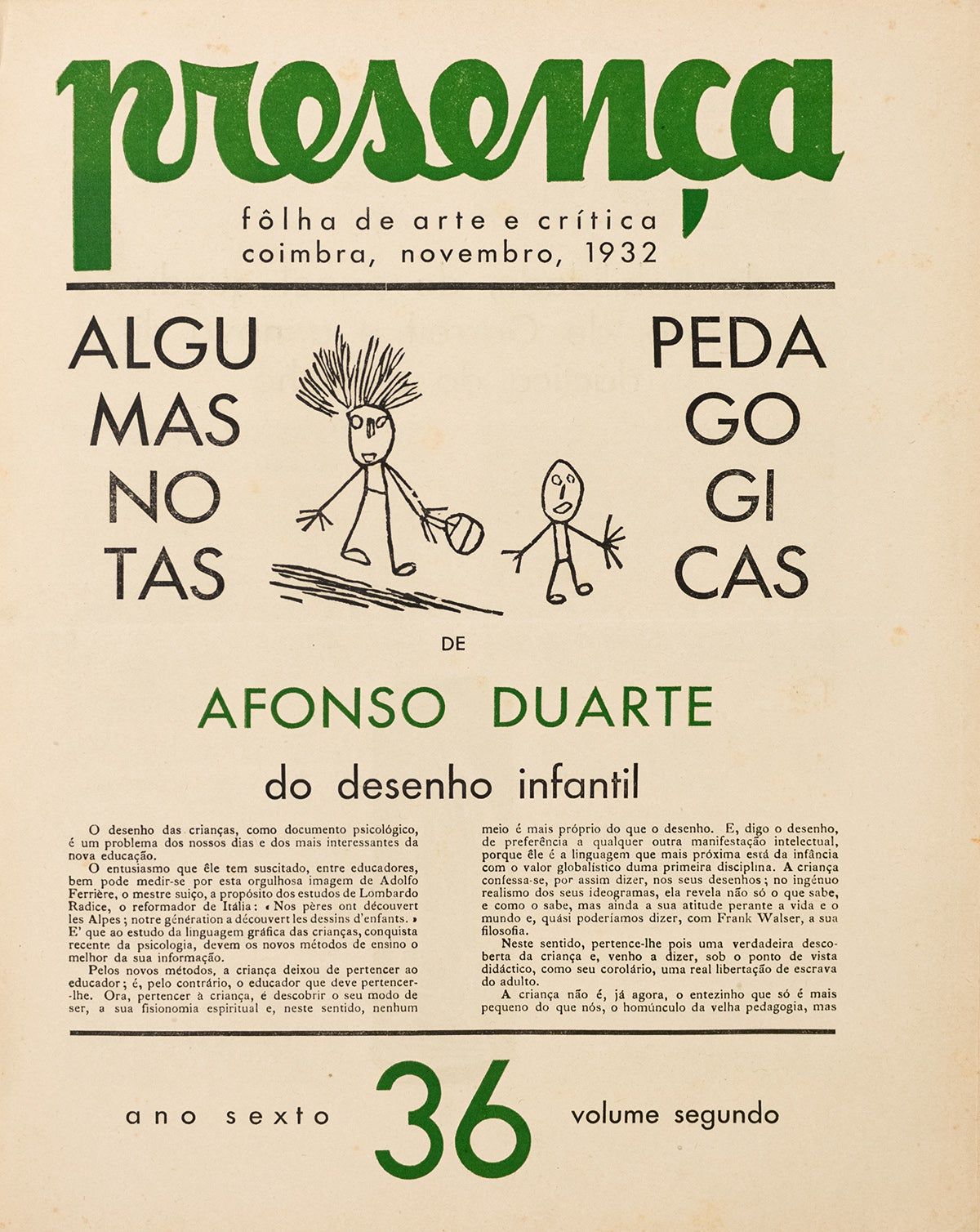
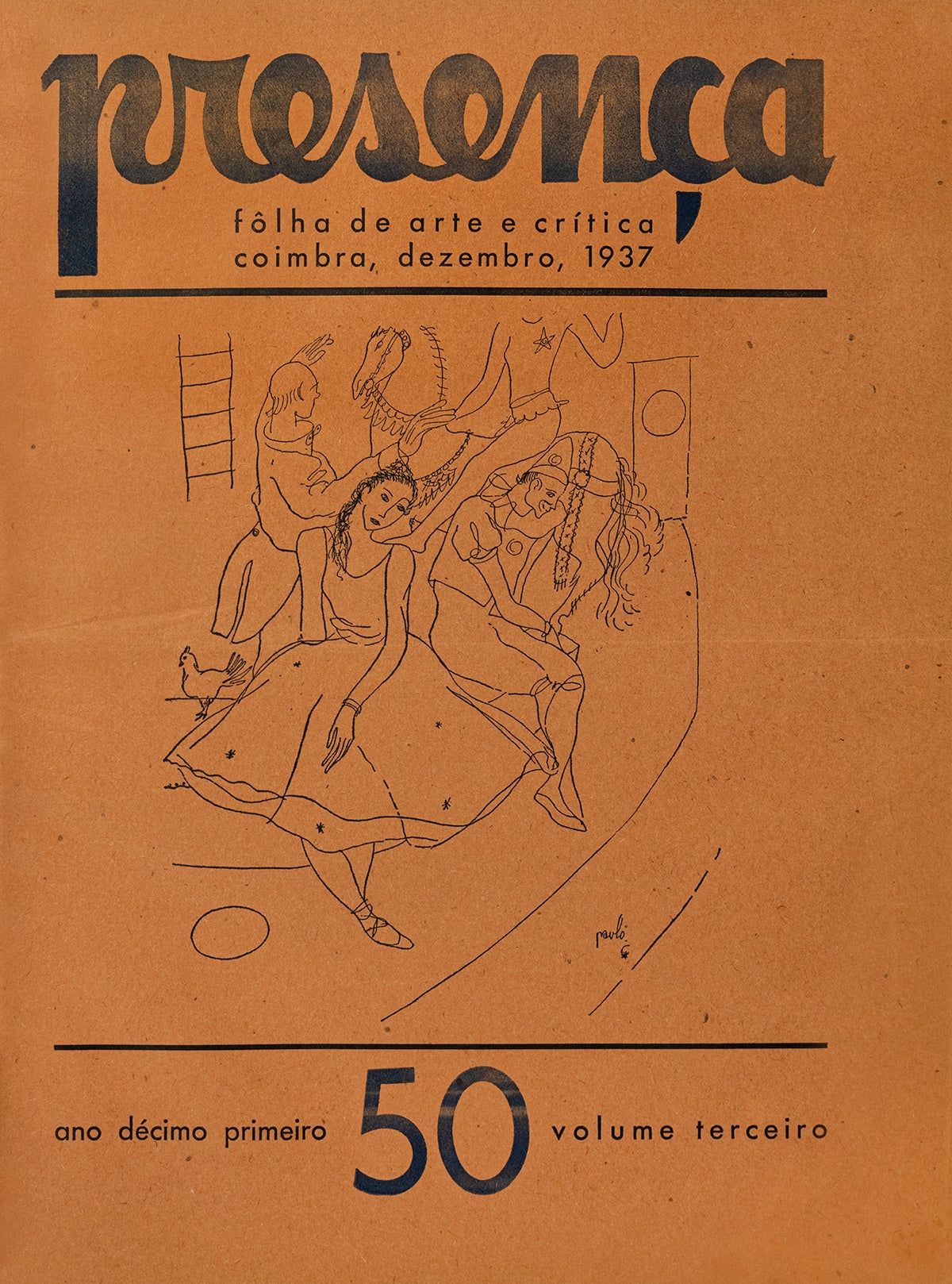
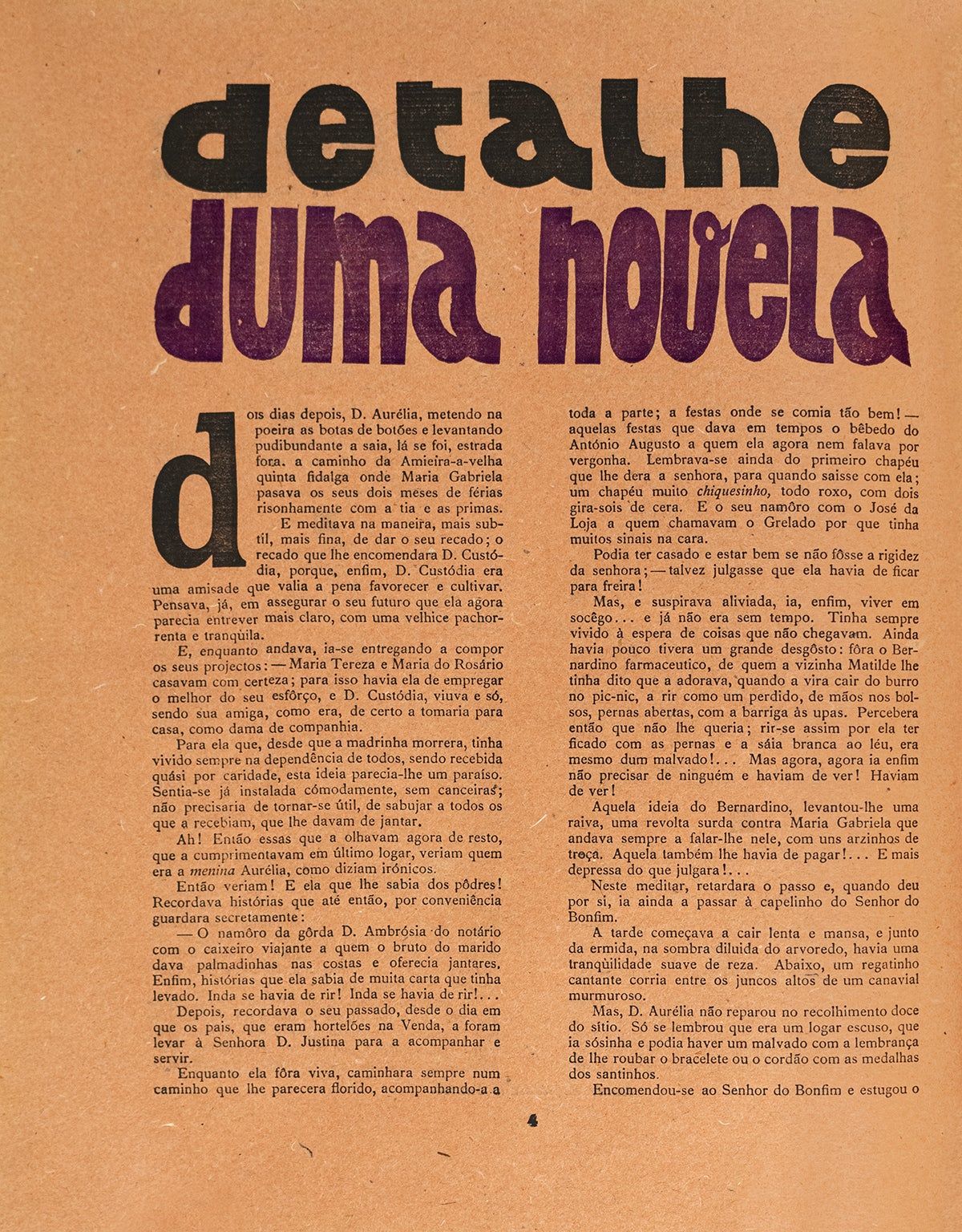
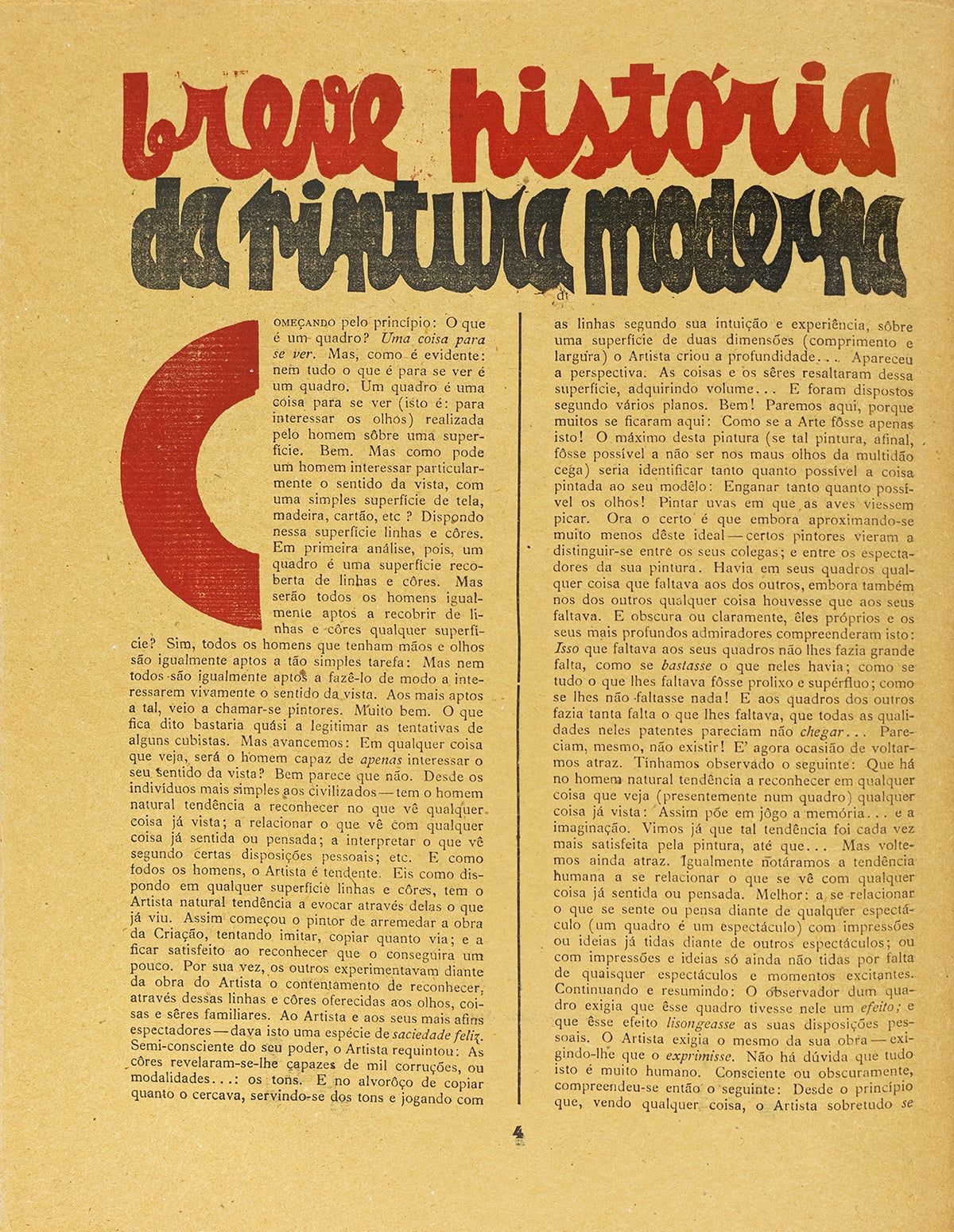
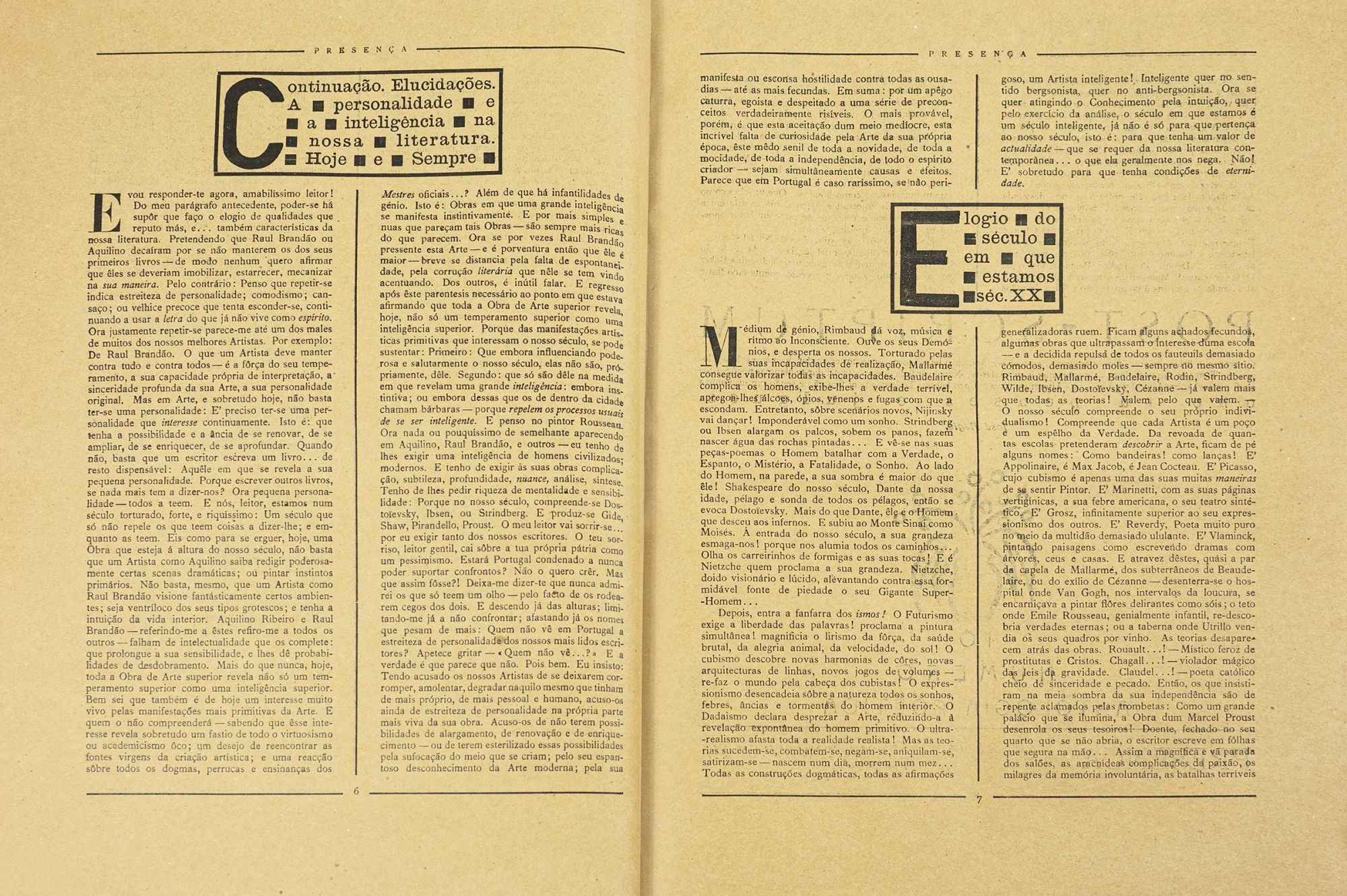
Coimbra: Presença, 1927-1940. Folios (38.2 × 29.5 cm), and the last two numbers in octavo (24 × 19 cm). Original, often illustrated self-wrappers with linocut title lines in various colors, bound in stylistically appropriate, older cloth bindings with stamped cover and spine titles; nos. 1-15 each 8 pp., beginning with. no. 16 each 12 pp., beginning with no. 22 each 16 pp. (no. 22 missing 2 leaves; no. 24 with additional 4 pp. and a plate bound in), nos. 35 and 45 with 20 pp., nos. 47 and 48 with 24 pp., nos. 1 and 2 of the 12th volume: 72; 73-142, [2] pp., double issues with 16 pp., twice with 32 pp. and another with 24 pp., each volume with index at the end: [4, 4, 2 pp.]. With numerous illustrations. Bindings somewhat fox-stained; else a very good, wide-margined set; very good.

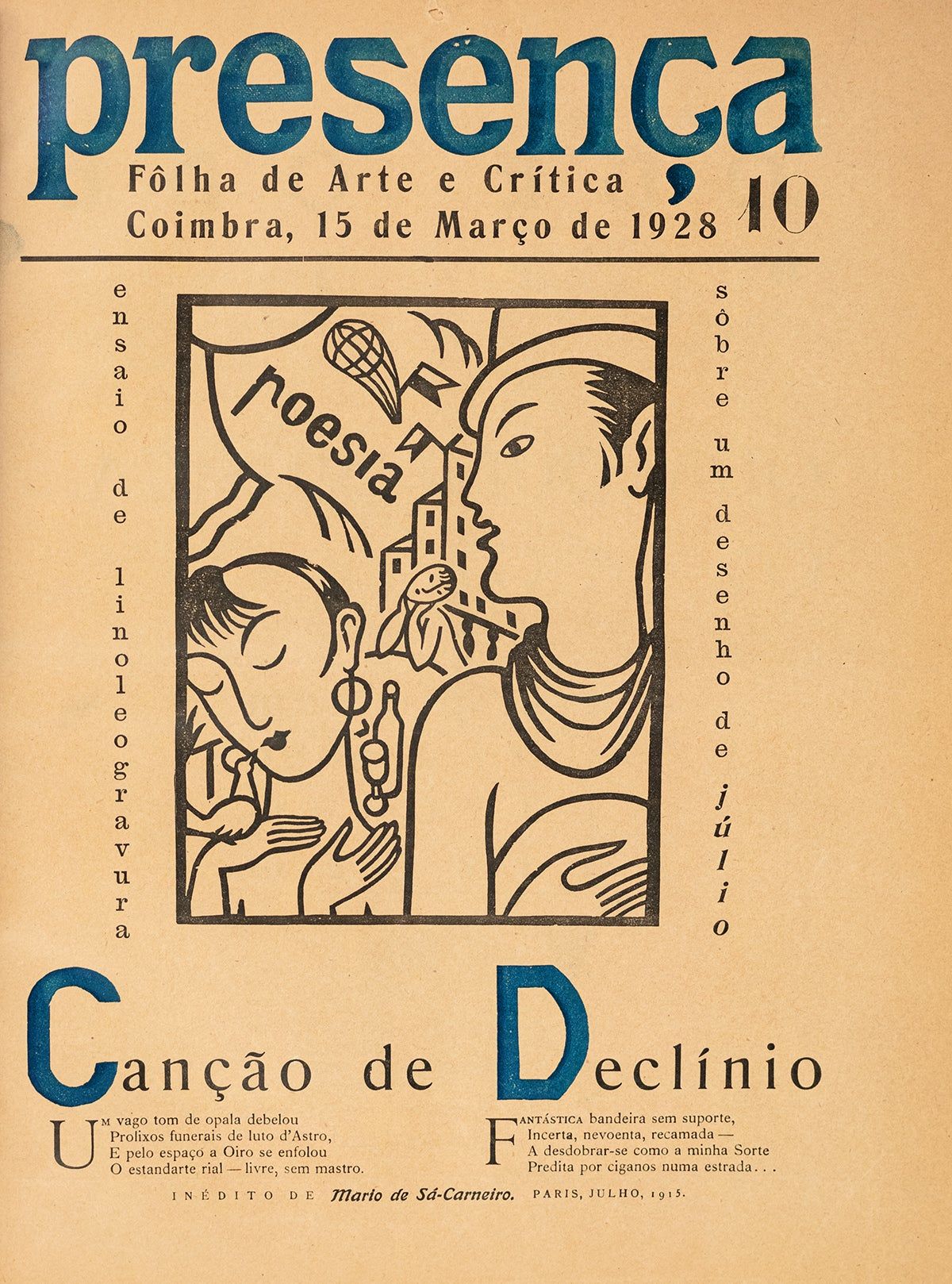
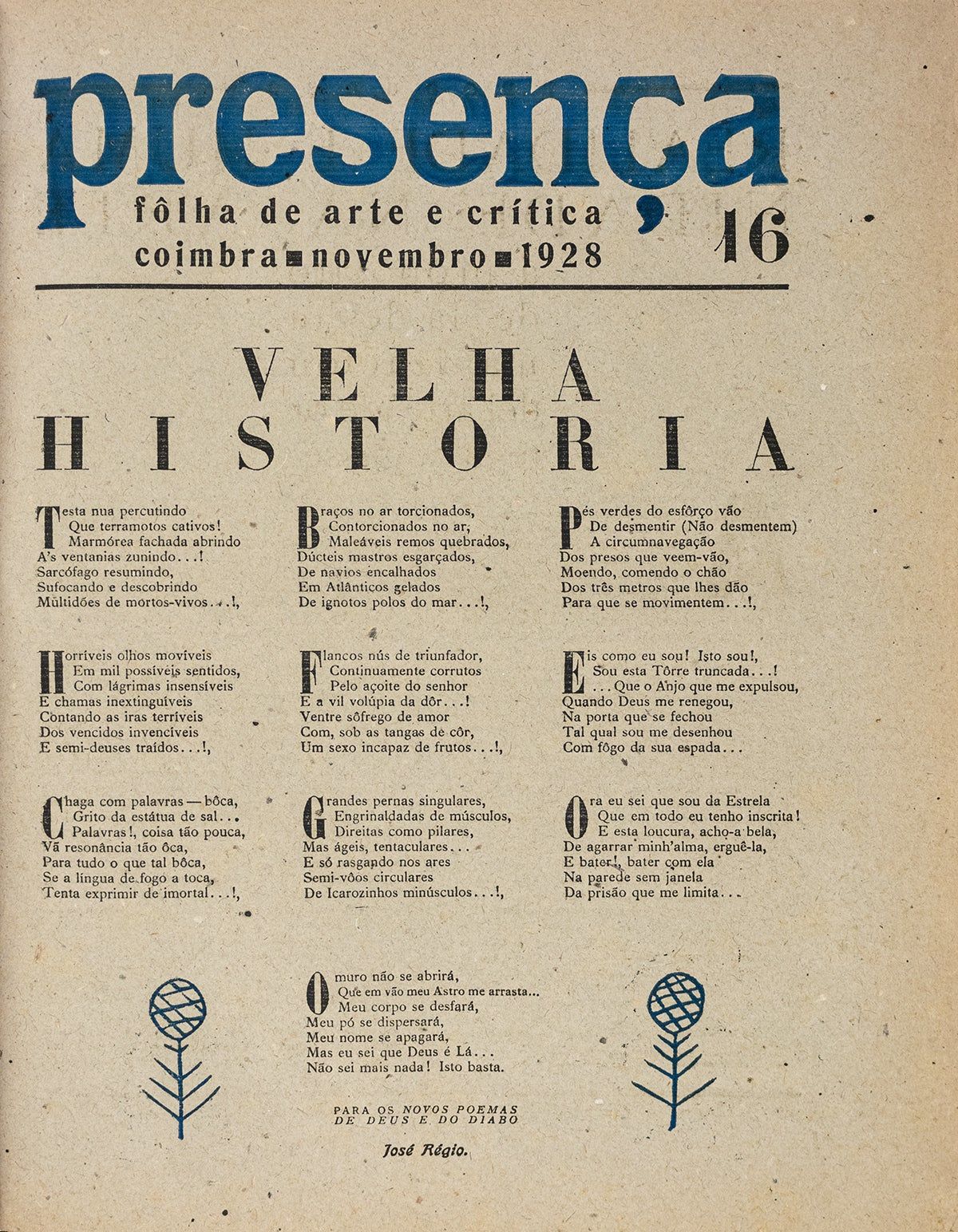
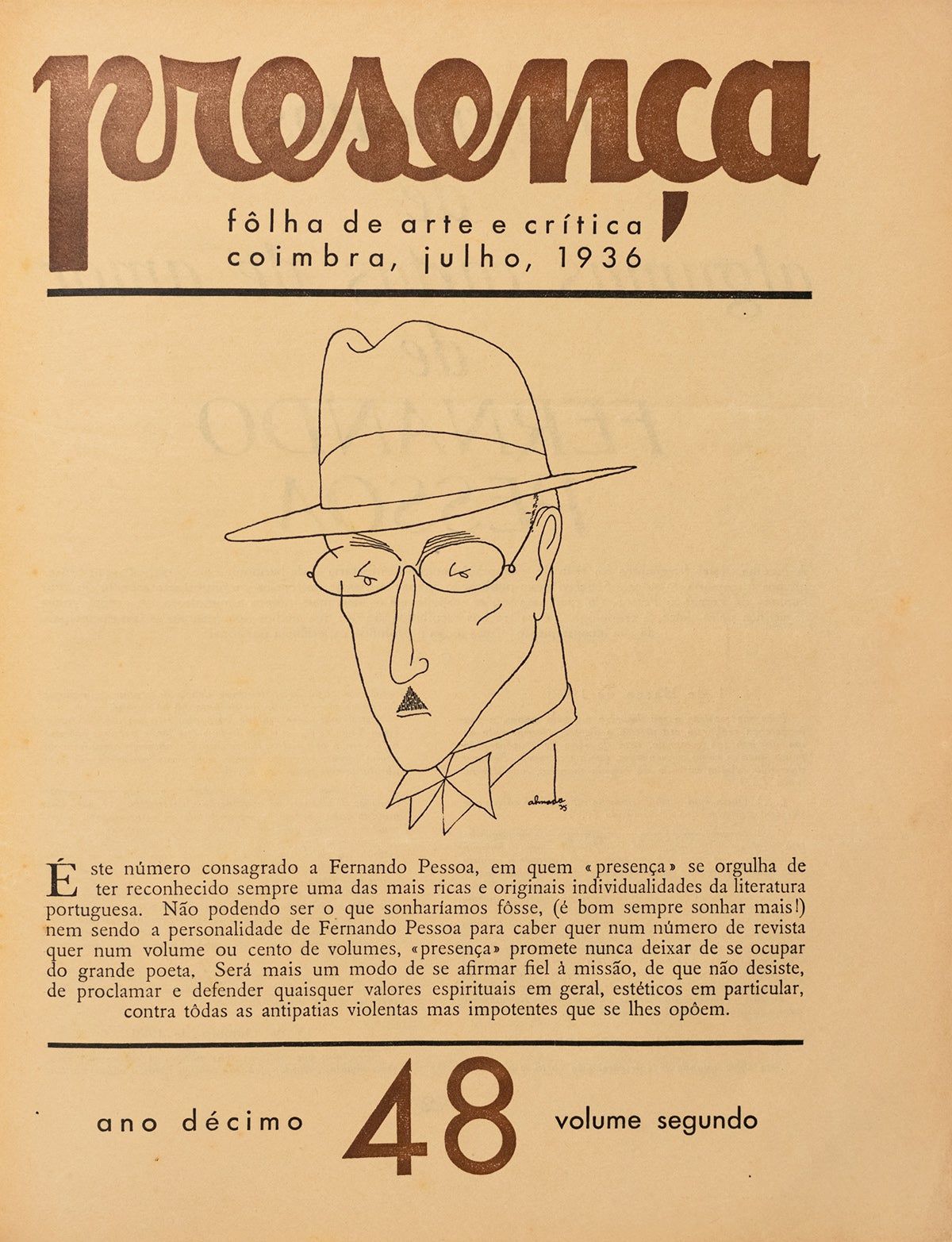
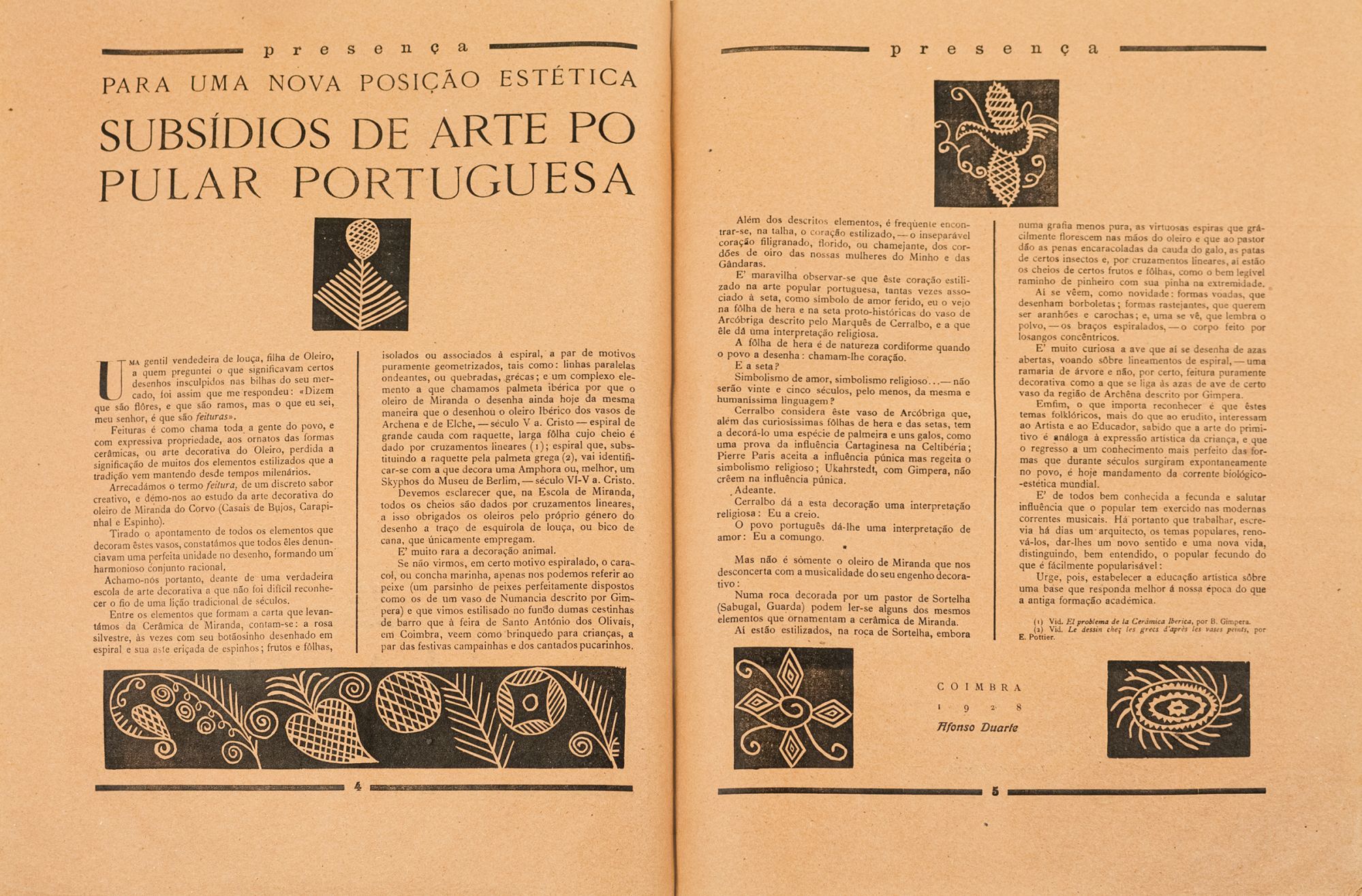
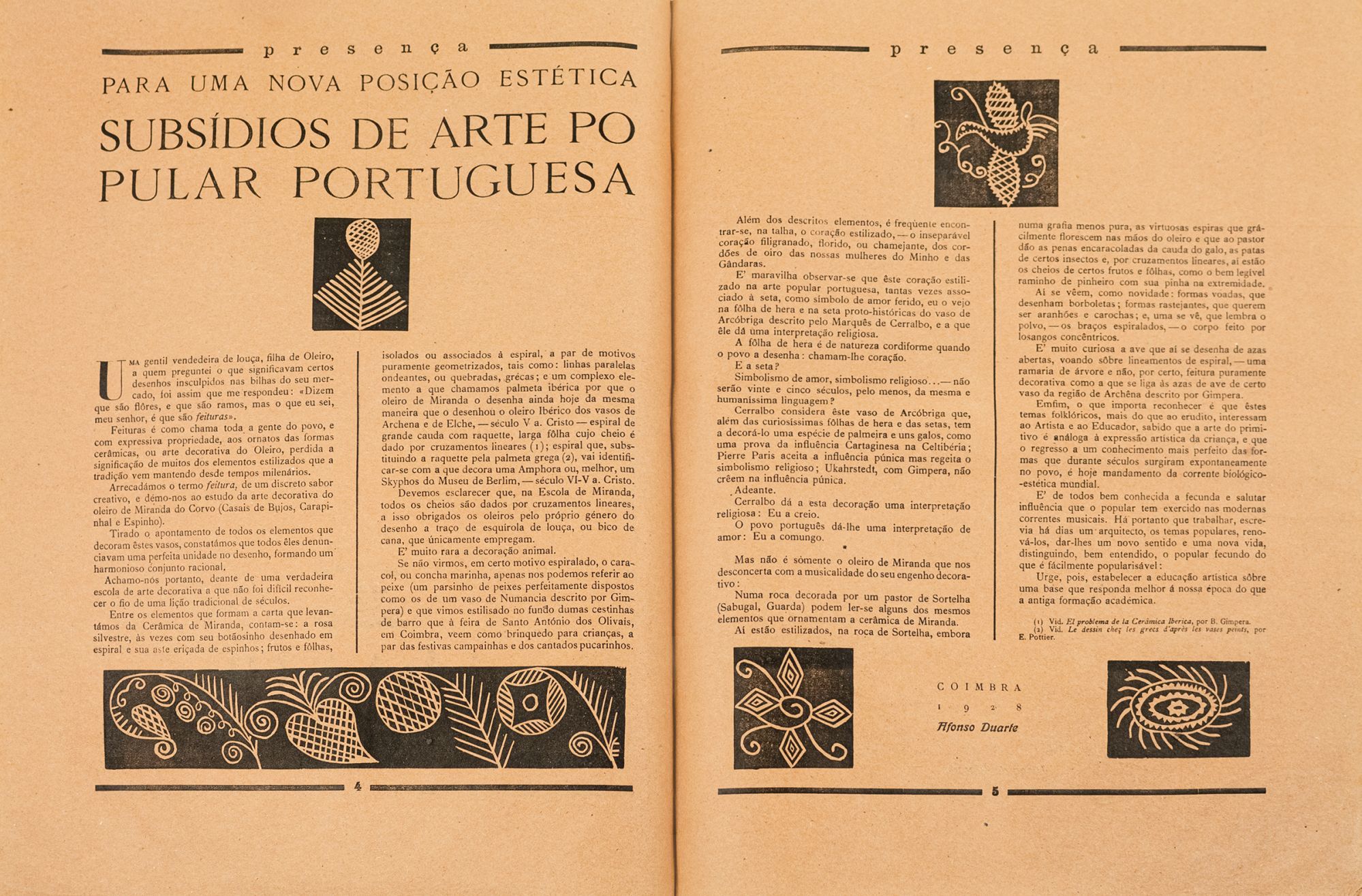
Complete run of the most important art and literary magazine of Portuguese modernism, which appeared after "Orpheu". "Presença" was founded by Branquinho da Fonseca not only as an experimental and innovative publication in terms of typography and art, but above all as the medium of new Portuguese literature and poetry. Numerous poems by Fernando Pessoa, who was not so well known during his lifetime and is now considered one of the most important poets in the Portuguese language, were published here for the first time. When Pessoa died in 1935, "Presença" printed a special issue in his honor with tributes and excerpts from Pessoa's letters. However, "Presença" not only provided a forum for the avant-gardes of its own tongue, but also promoted experimental exchange across borders: texts by Proust, Gide, Joyce, Valéry and contemporary Brazilian authors were made accessible to the Portuguese public for the first time in many cases. "Presença" also ensured that the earlier Orpheu generation was firmly established in the canon of Portuguese modernism.

The continuity with "Orpheu" was not only in terms of content, but also in terms of personnel. António Botto was a friend of Pessoa, Raúl Leal and Luís de Montalvor were still Orpheu contributors from the very beginning. Above all, the avant-garde journals, which were published at different times, were united by their rejection of academicism and conformism. However, Presença differed from the periodicals launched by Pessoa and Montalvor in its approachable attitude towards its readership. In addition to poetry and prose, "Presença" also focused on literary theory. Important protagonists of the journal were Saúl Días and his brother José Régio. After studying engineering, the former increasingly turned to painting, with Max Beckmann and George Grosz being cited as points of reference today. His poetry, on the other hand, has remained largely unknown to this day. The opposite was true of his brother. Régio also painted and drew, but the editor of Presença achieved renown primarily as a playwright, poet and novelist.

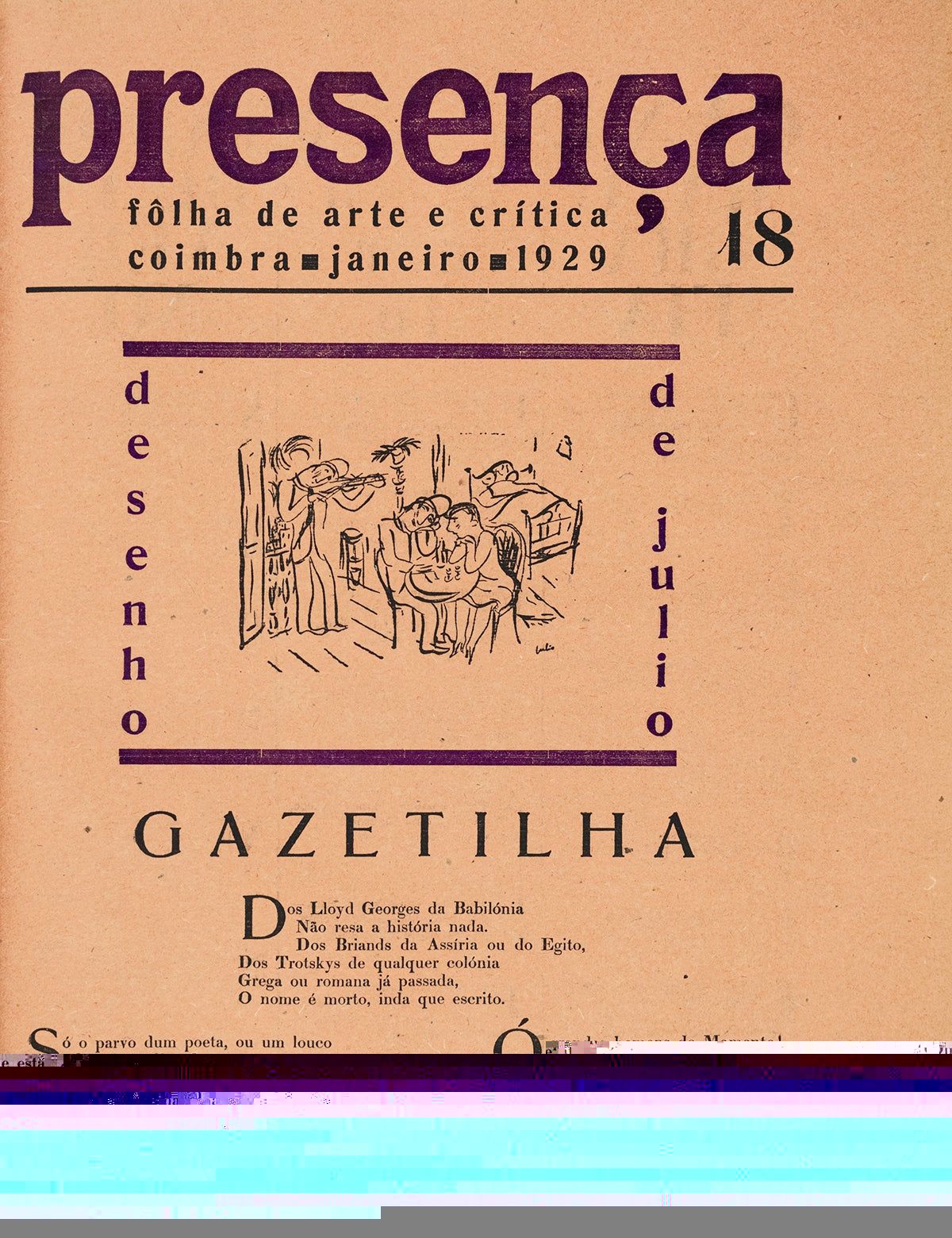
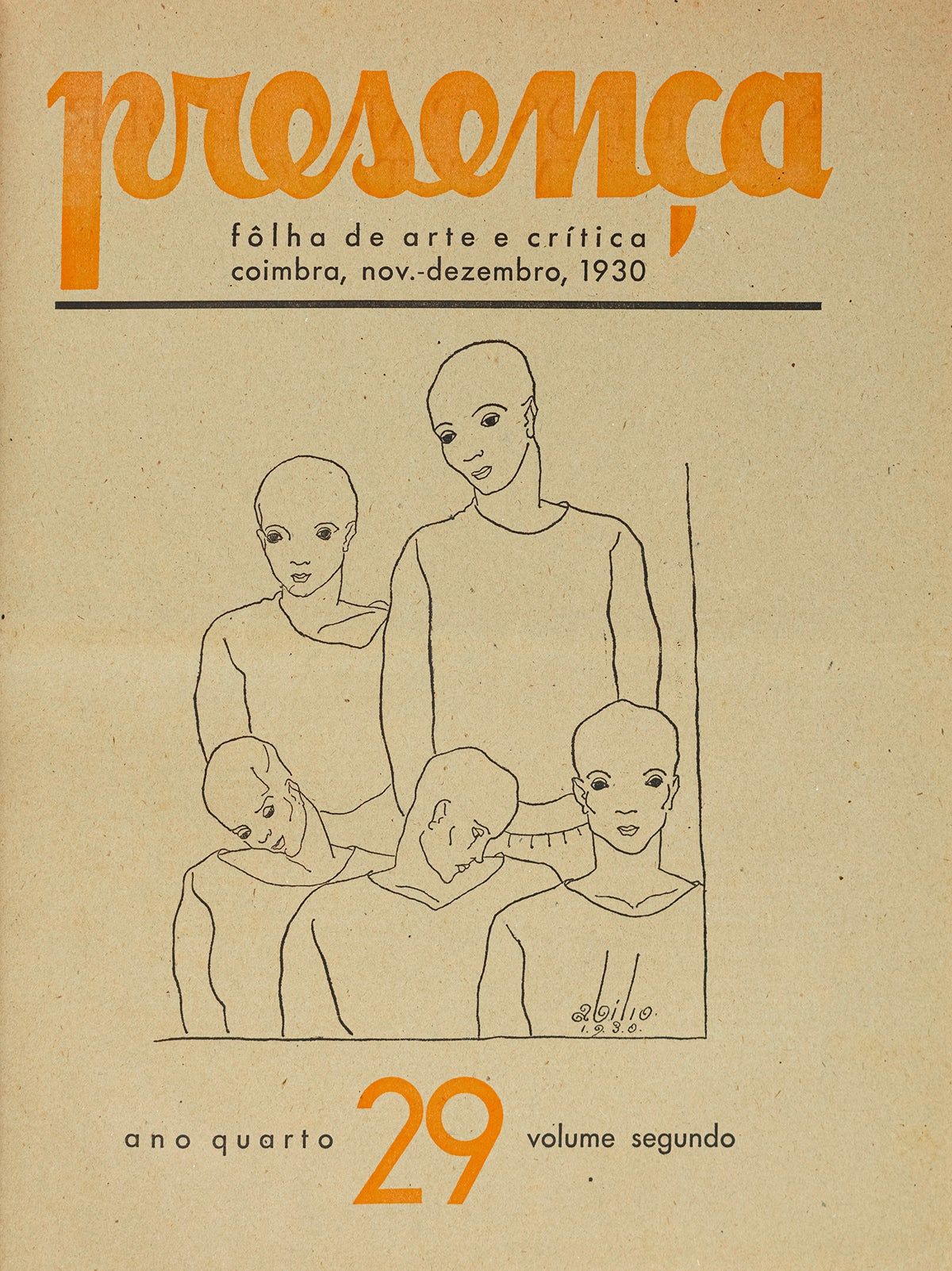
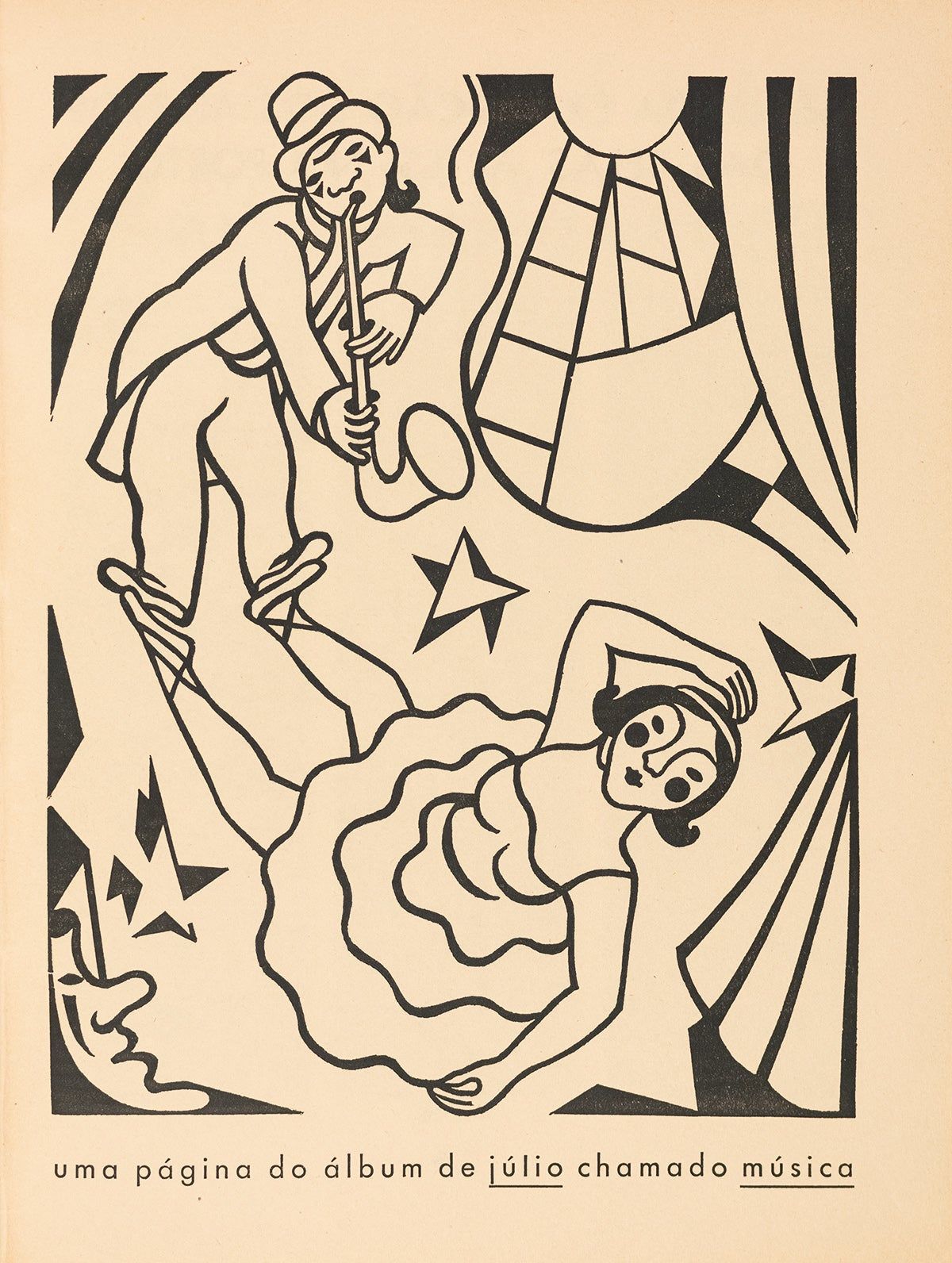
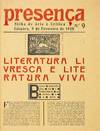
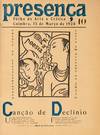
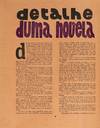
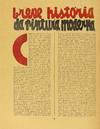
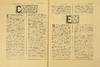
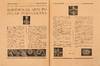
In terms of printing and design, the periodical is reminiscent of the expressionist journals "Der Sturm" and "Die Aktion", for example, although "Presença" appears to be much more elaborately produced and more bibliophile in its choice of materials. Not only were the title lines printed in a different color in each case, but other headlines were also applied to the paper in different colors. In addition, the font styles, which were experimented with on an ongoing basis, are sometimes different. However, it is not only the variability of the colors and typography that is striking, but also the paper. The color of the paper varies from number to number, although it is mostly solid laid paper rather than cheaper industrial paper usually used for periodicals at the time.

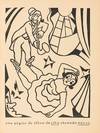
With contributions by Mário Sá-Carneiro, Fernando Pessoa, José Régio, Casais Monteiro, João Gaspar Simões, António de Sousa and others. Not only literary texts were printed, but also contributions on the art of the Cubists, Futurists, and Expressionists. Illustrations by Almada Negreiros, Júlio, Mário Elói, Dórdio Gomes, João Carlos, Sara Afonso and others.

Offered by Penka Rare Books and Archives
Penka Rare Books and Archives
Specializing in Art And Architecture, Art And Design, Avant-Garde, Early Printing, History and Modern Art.

Established in 2012, Penka Rare Books and Archives specializes in art, architecture, visual culture and the avant-gardes — from early printed books to digital and computer art — supplying museums and research libraries as well as private collectors worldwide with rigorously researched, culturally significant material. With our expertise in most Slavic languages, a special focus is on Central and Eastern Europe. A secondary interest is the processing and sale of archival collections, especially artist archives.


As members of the Verband Deutscher Antiquare (VDA) and the Antiquarian Booksellers' Association of America (ABAA), and as affiliates of the International League of Antiquarian Booksellers (ILAB), we proudly abide by these organisations' strict code of ethics.


For more information, please visit www.penkararebooks.com or contact us at [email protected]. All shipping quotes are for FedEx worldwide. With our expertise in almost daily international shipments, we will facilitate smooth delivery of your purchase.

Contact the Seller
Philipp Penka
Gustav-Müller-Str. 40
Berlin, 10829
Phone/Text: +491781694138

Orders are processed in the order of receipt and all items are offered subject to prior sale. Our books are carefully described, with minor flaws not always explicitly stated, but always reflected in our prices. All prices are in EURO. Any item is returnable within thirty days for any reason. We kindly ask that you notify us before returning your purchase by email or phone. Returns must be carefully packaged and shipped by registered mail only. If a returned item is received in significantly worse condition, the customer is liable for compensation. Invoices are to be paid within fourteen days, without further discount. Place of delivery and exclusive place of jurisdiction for both parties for any disputes is Berlin, Germany.

tracking-