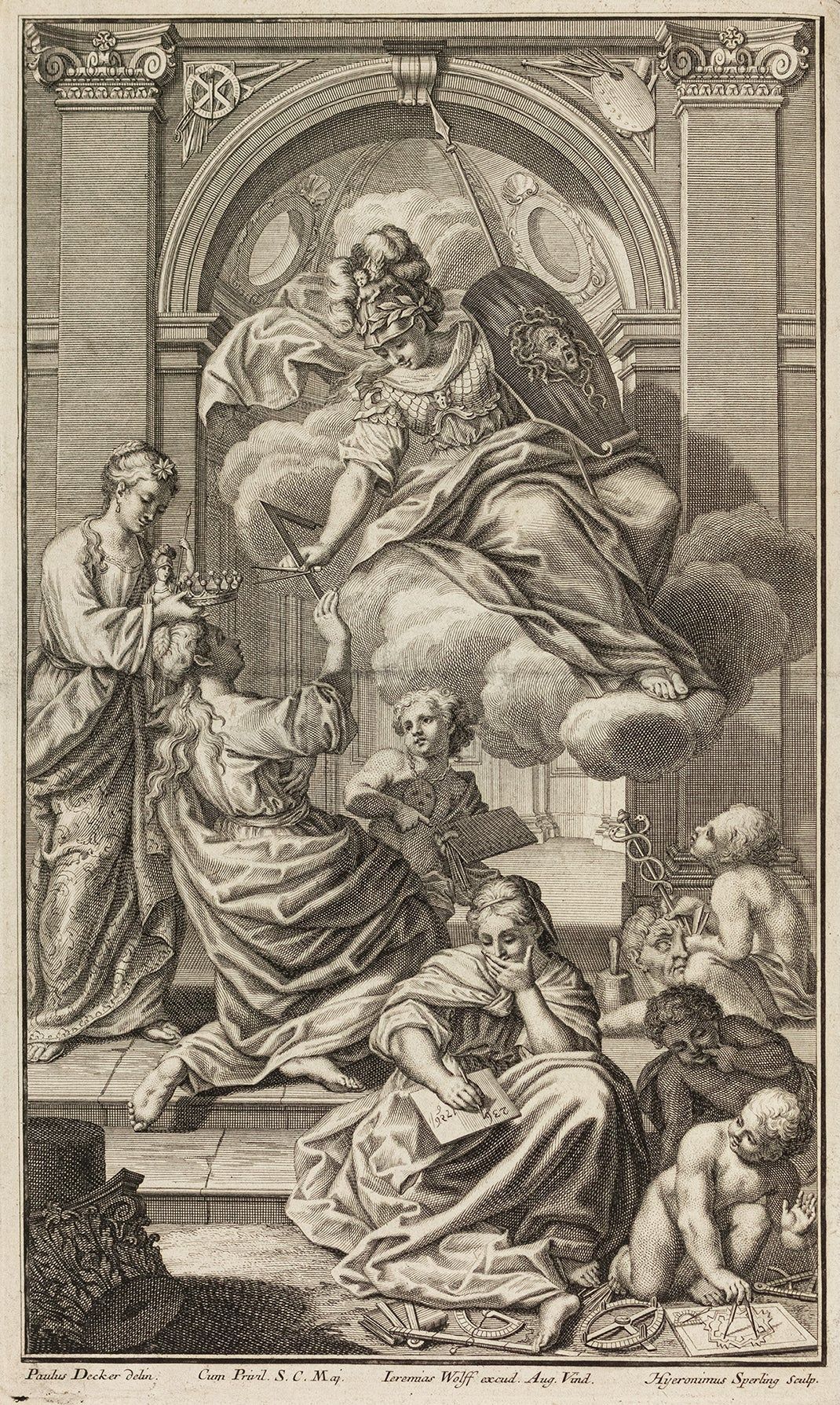
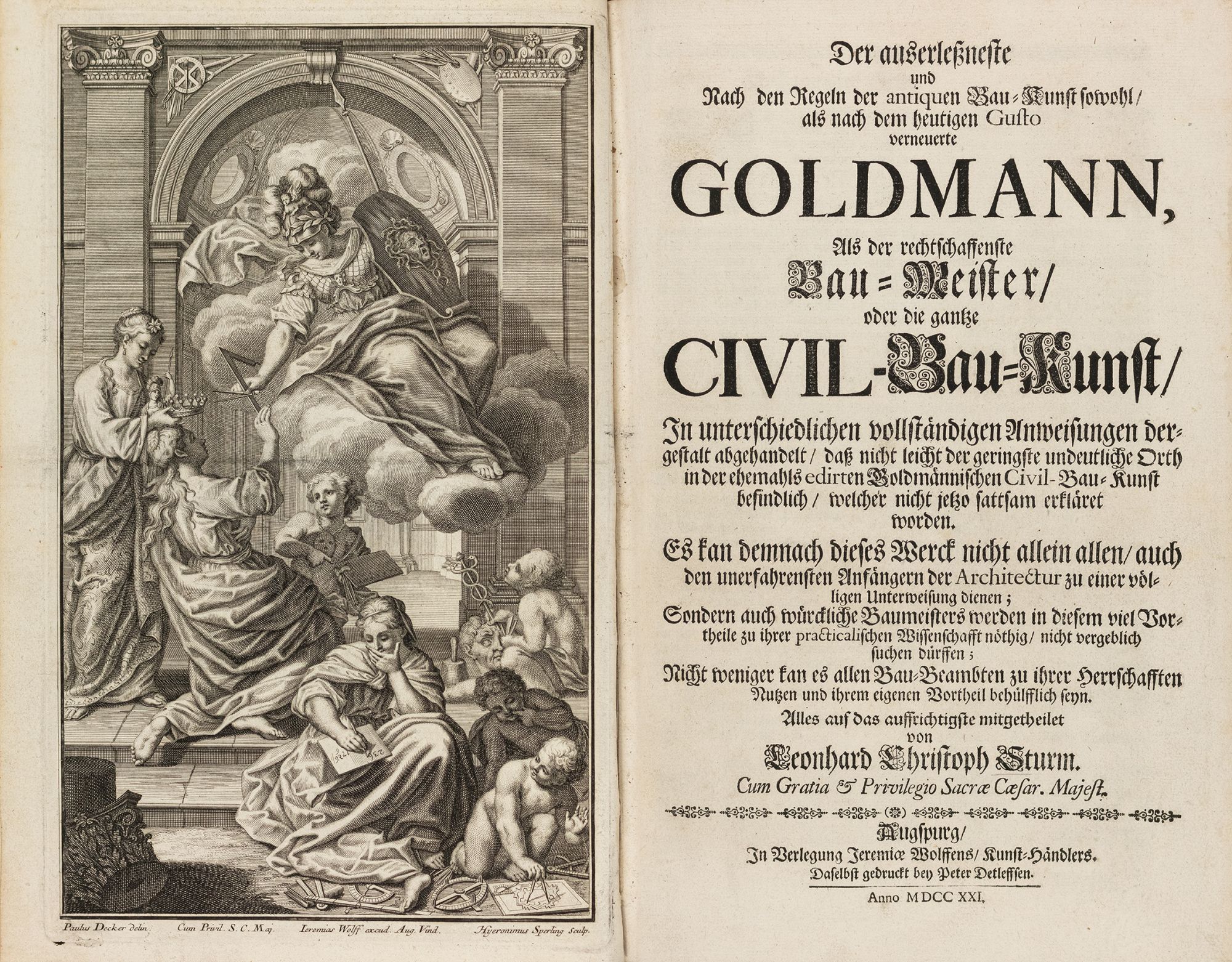
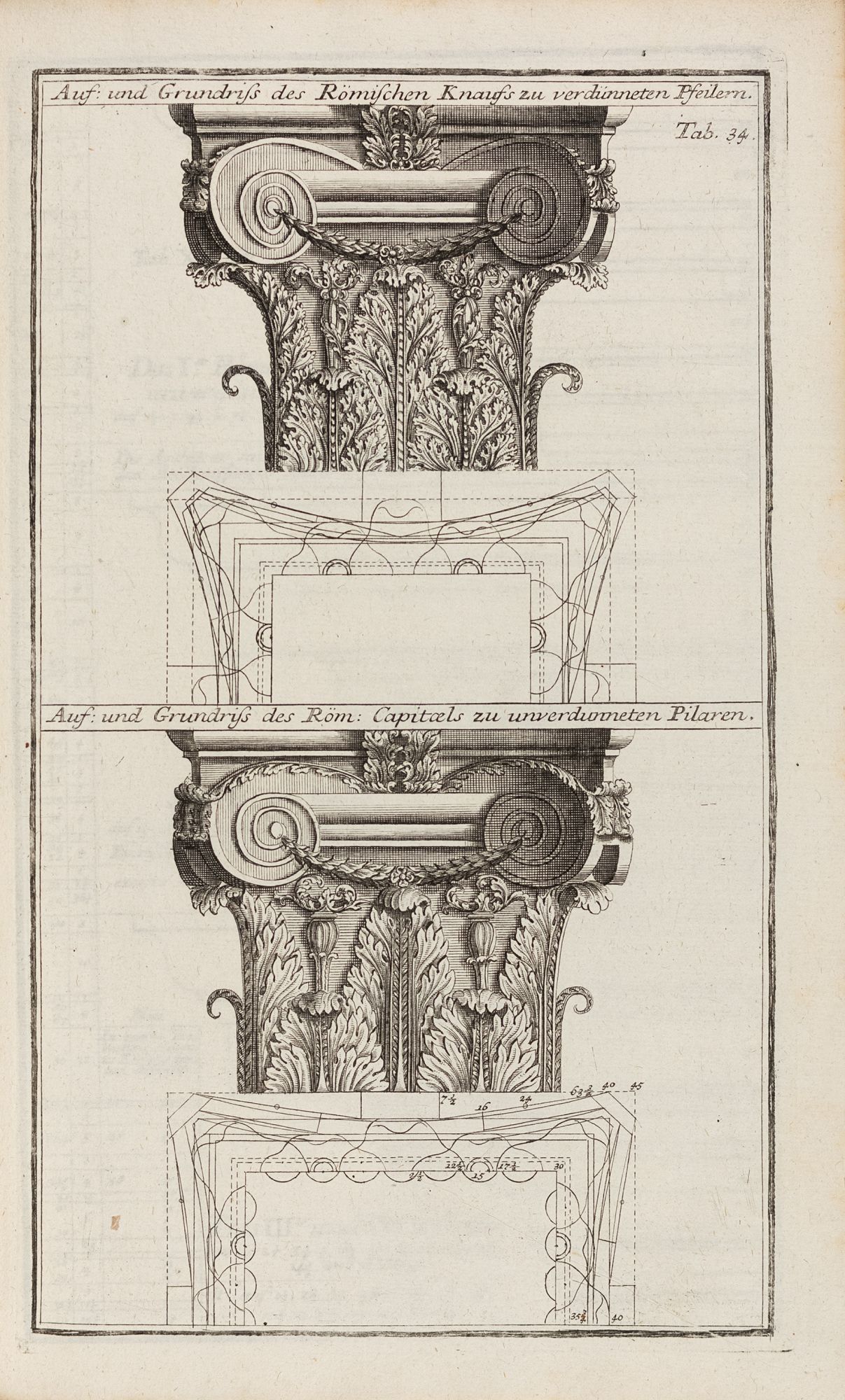
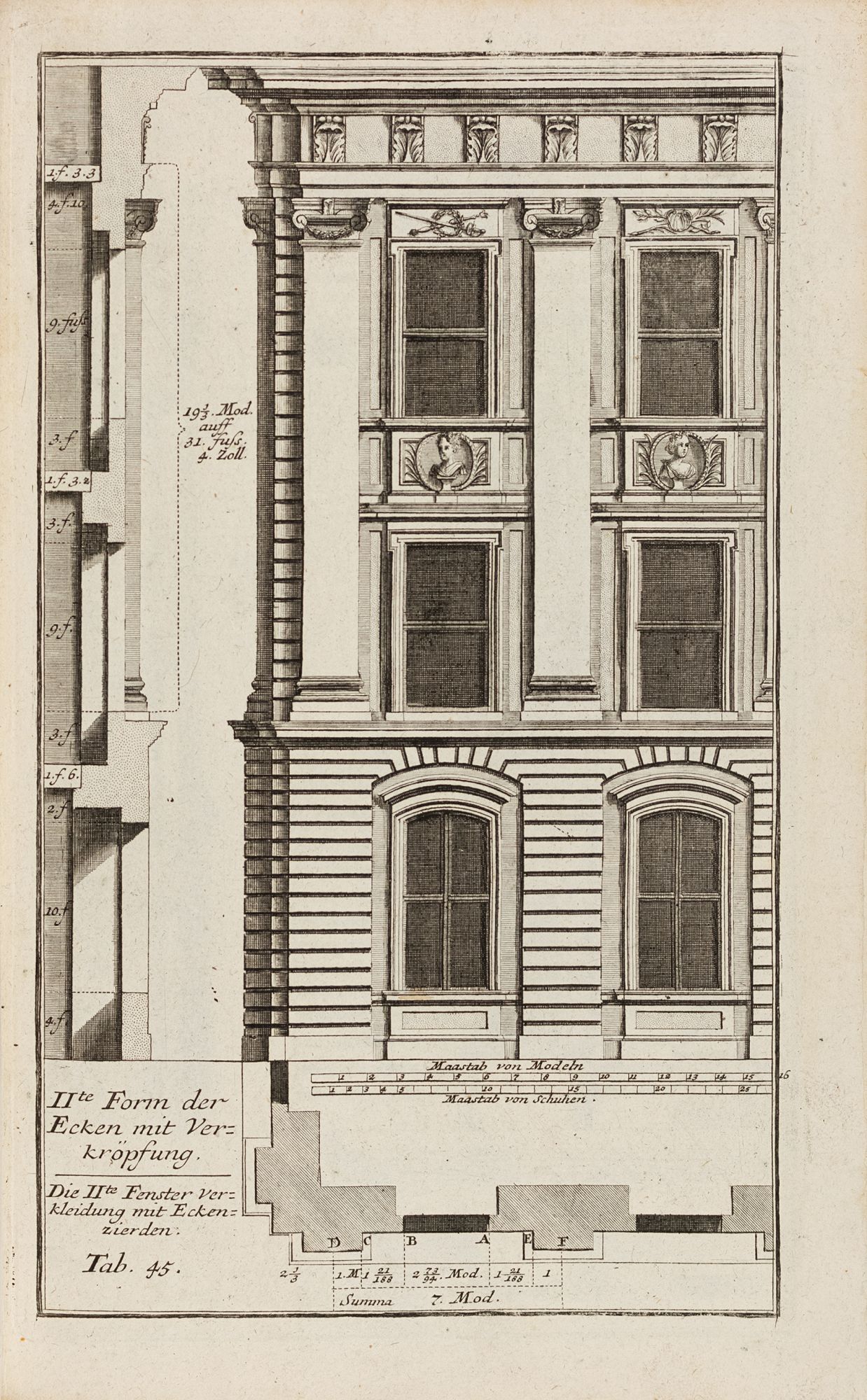
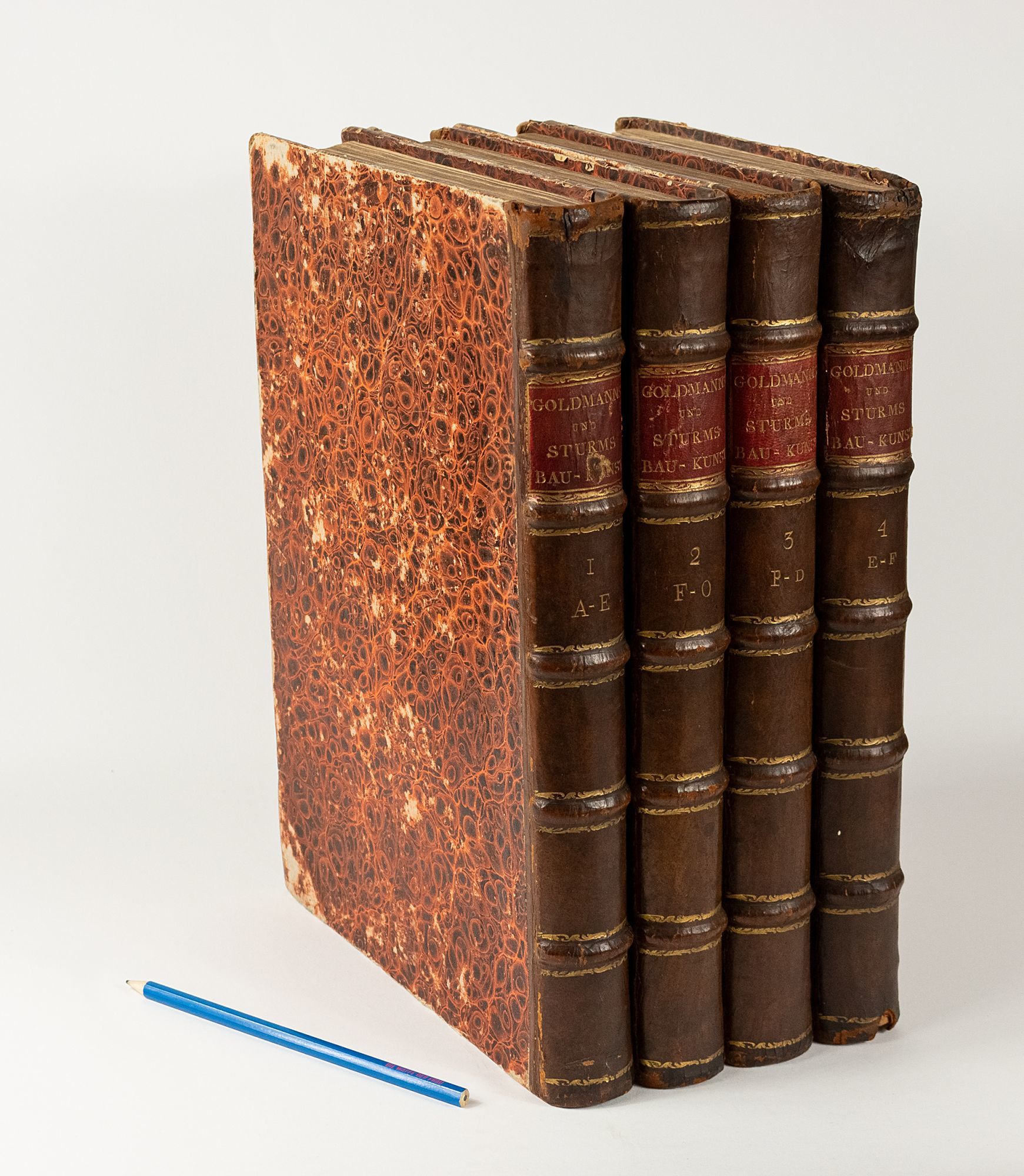
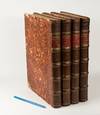
Augsburg: printed by Peter Detleffsen for Jeremias Wolff, 1716-1760. Folio (34 × 22 cm). Half leather bindings of the early nineteenth century with labels and gilt to spines; [20] (index); 32; [68]; 18; 18; 16; 12; [16]; 39, [1]; 26; 24; 18; 42; 10; 8; 84, [4]; [20]; 18; 28; [4], 35, [1]; [6], 66; 144 pp. With 1 engraved frontispiece, 1 engraved title, 407 (59 folded or double-page) copper engraved plates, 2 copper engravings mounted in the text and several woodcuts. A very good set; impeccably clean leaves except for a small, barely visible restored tear at the edge of one copper plate, and a narrow, very faint waterstain on a handful of text pages in the first volume; bindings with minor traces of wear.
The complete "Civil-Bau-Kunst" (Art of Civil Architecture), save for one supplement, a crucial standard work on Baroque architecture, considered the "most comprehensive conception of architectural theory in the German-speaking sphere" (Henning Repetzky, AKL CVII, p. 9). Bound in four volumes, our copy lacks only supplement a ("Prodromus Architecturae") - which is also not listed by Millard. Available here is a compilation of different editions, as the individual parts were often also distributed separately.
Even though this extensive collection of texts and copper engravings on the most diverse fields of Baroque building bears the name of Nikolaus Goldmann (1611-1665) in its title and also has its starting point in the edition of the bequeathed architectural writings of the mathematician, jurist, and architectural theorist, the sixteen parts must be regarded as the work of the mathematician and architect Leonhard Christoph Sturm (1669-1719) due to the additions and extensions. As is evident from their lifespans, Goldmann and Sturm did not meet; rather, the literary estate of the lecturer, who died in Leiden, came into the hands of the professor and master builder who worked in Jena, Leipzig, Wolfenbüttel, and Frankfurt/Oder, among other places, through a series of coincidental links (cf. Max Semrau, Zu Nikolaus Goldmanns Leben und Schriften, in: Monatshefte für Kunstwissenschaft, 1916, vol. 9, no. 10, pp. 349-361).
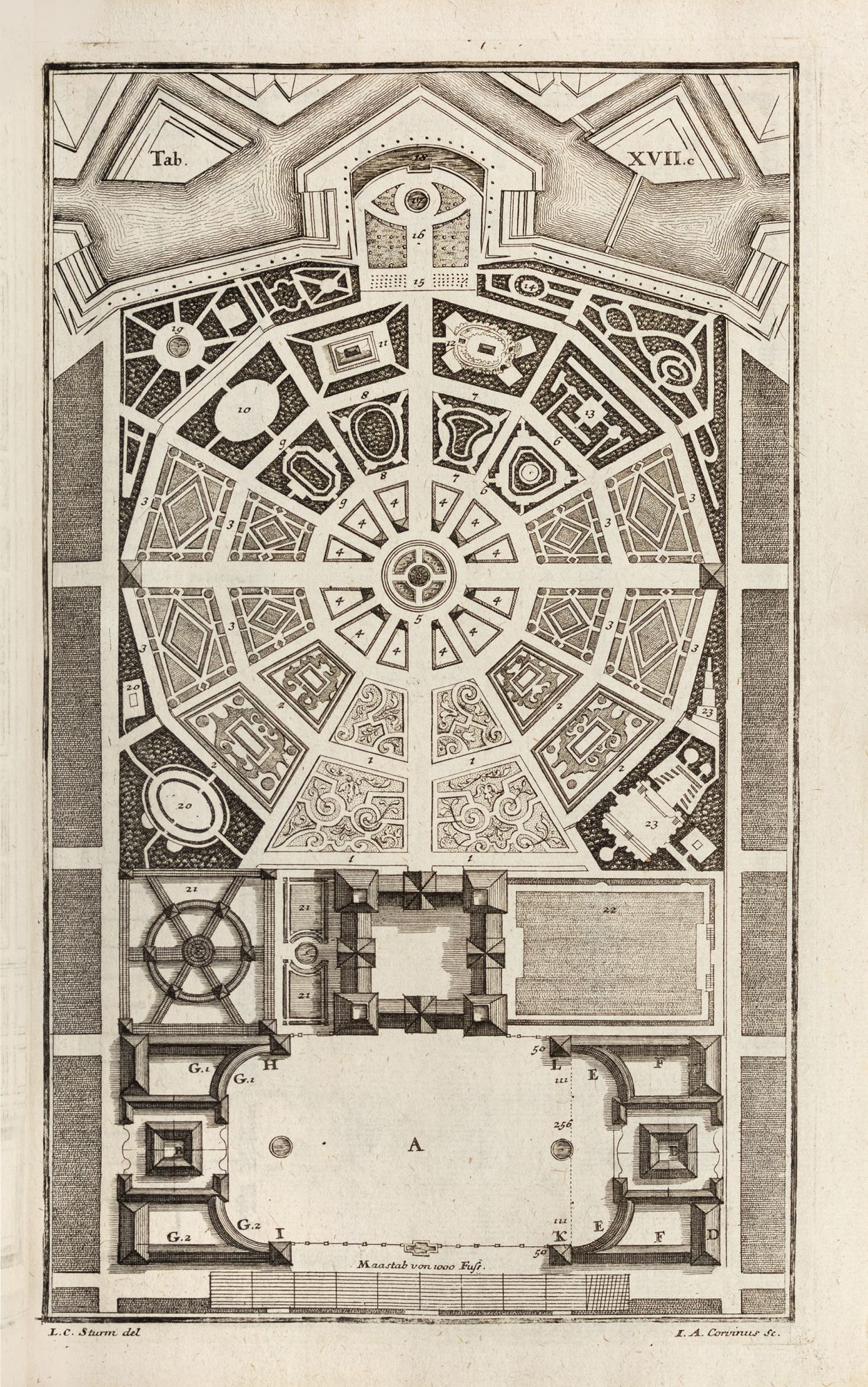
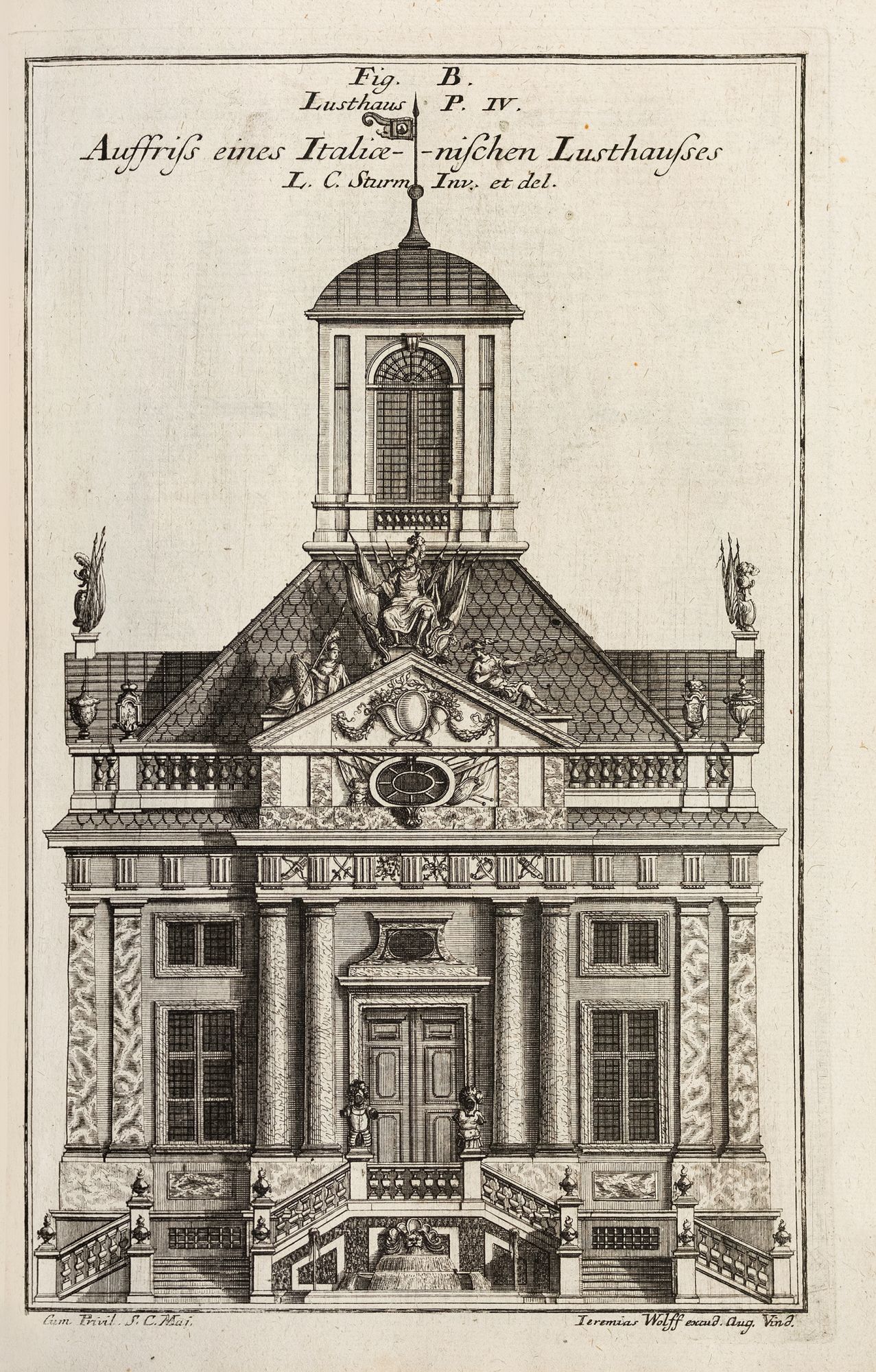
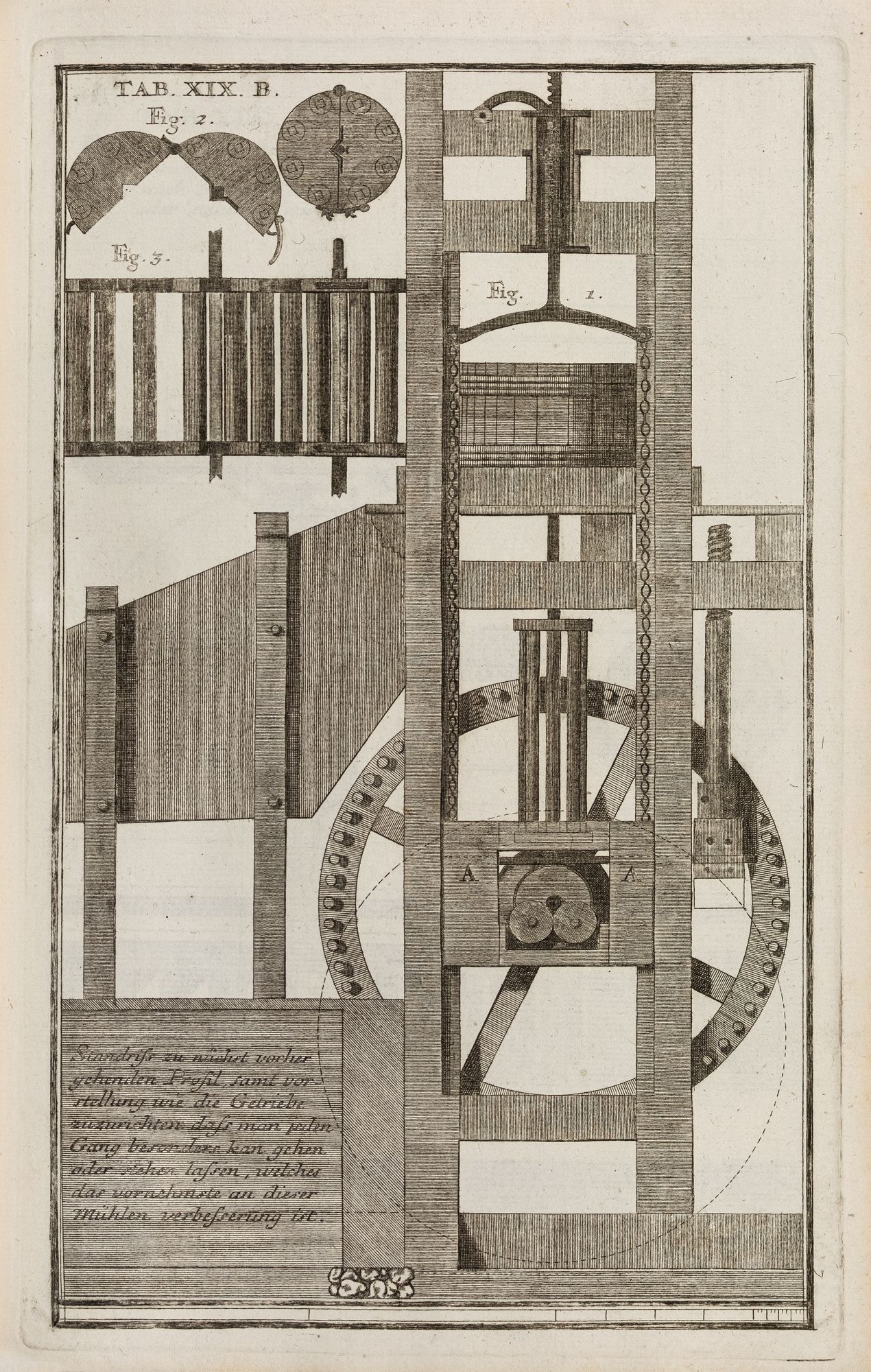
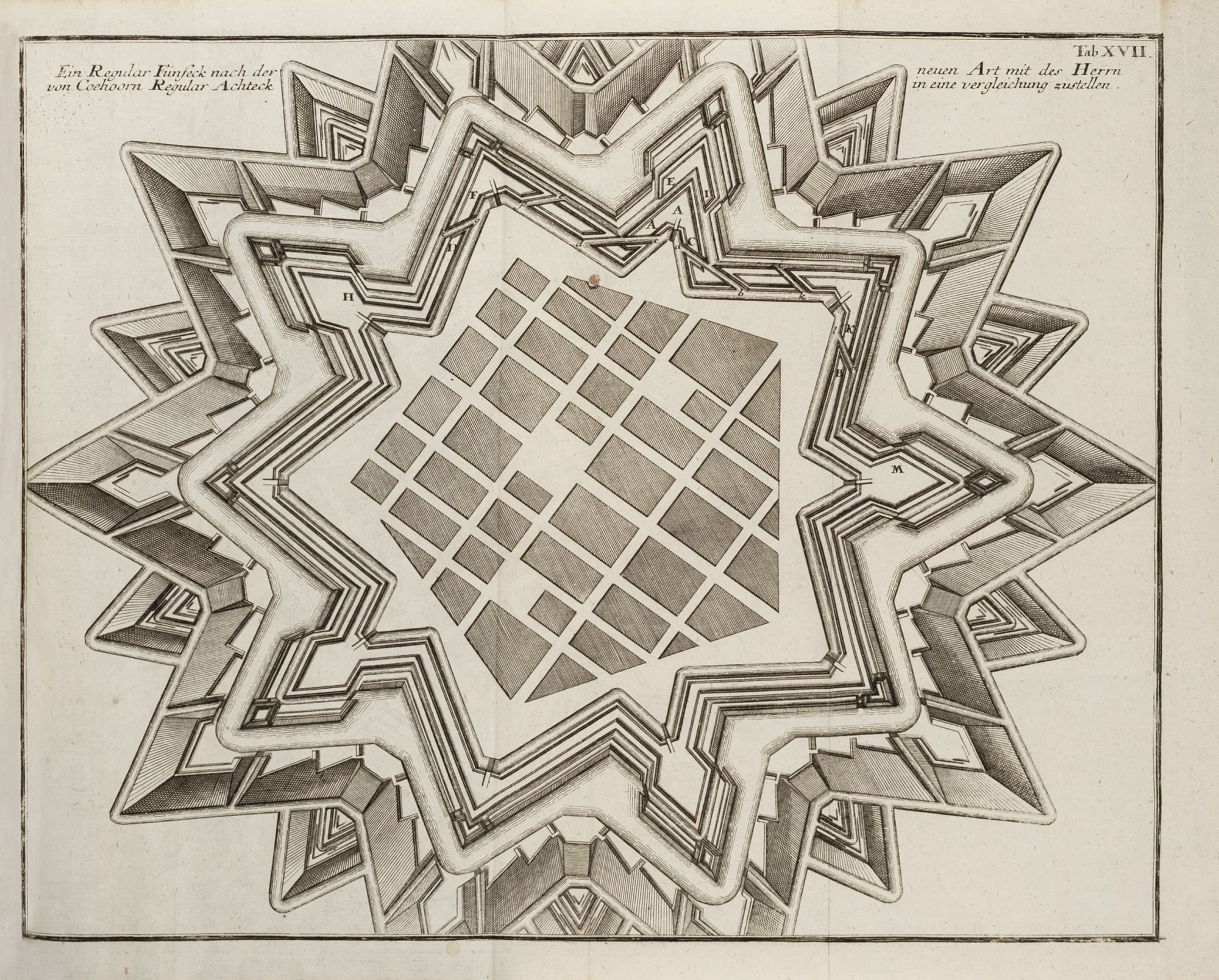
While individual parts appeared during Sturm's lifetime, the full compilation was assembled and printed only after his death. (Edzard Rust, Theorie und Praxis. Leonhard Christoph Sturms Schriften ..., Wiener Jahrbuch für Kunstgeschichte, 55/56, 2006/07, pp. 507-527). For many decades after Sturm's death, the compendium remained a standard work that could be found in numerous castle and monastery libraries as well as in the possession of various scholars and German-speaking architects (cf. Rust). The overview that the work provides of the most diverse areas of architecture is enormous. It is not only the classical order of columns that is comprehensively presented in words and pictures. The arc that this work spans - from church and palace construction to country houses, town houses, prisons, hospitals, theaters, administrative buildings, epitaphs, gates of honor, gardens, harbor buildings, locks, bridges, barracks, fortifications, water pipes, and even the complicated mechanisms of ornamental fountains and water mills etc. - could scarcely be wider.
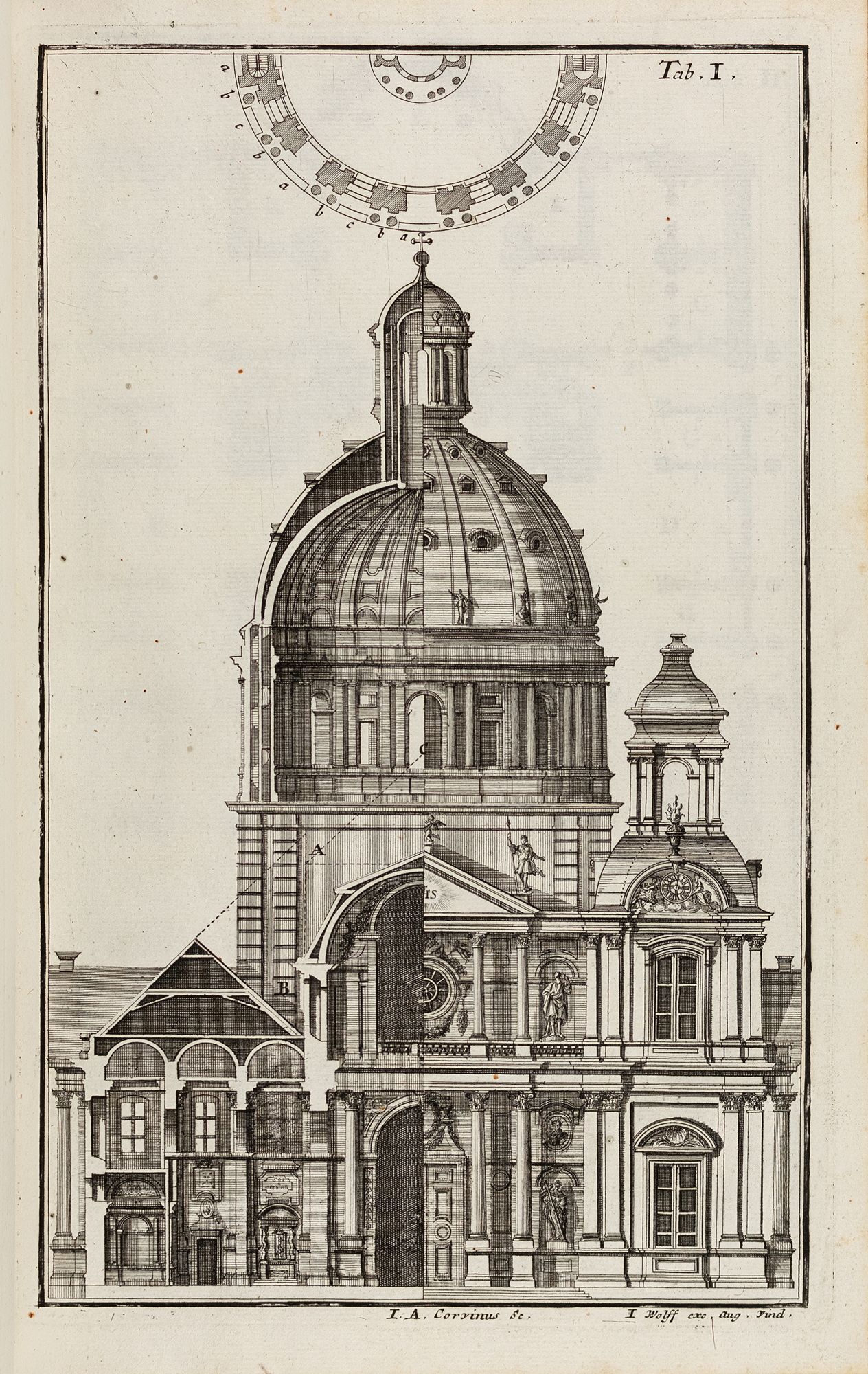
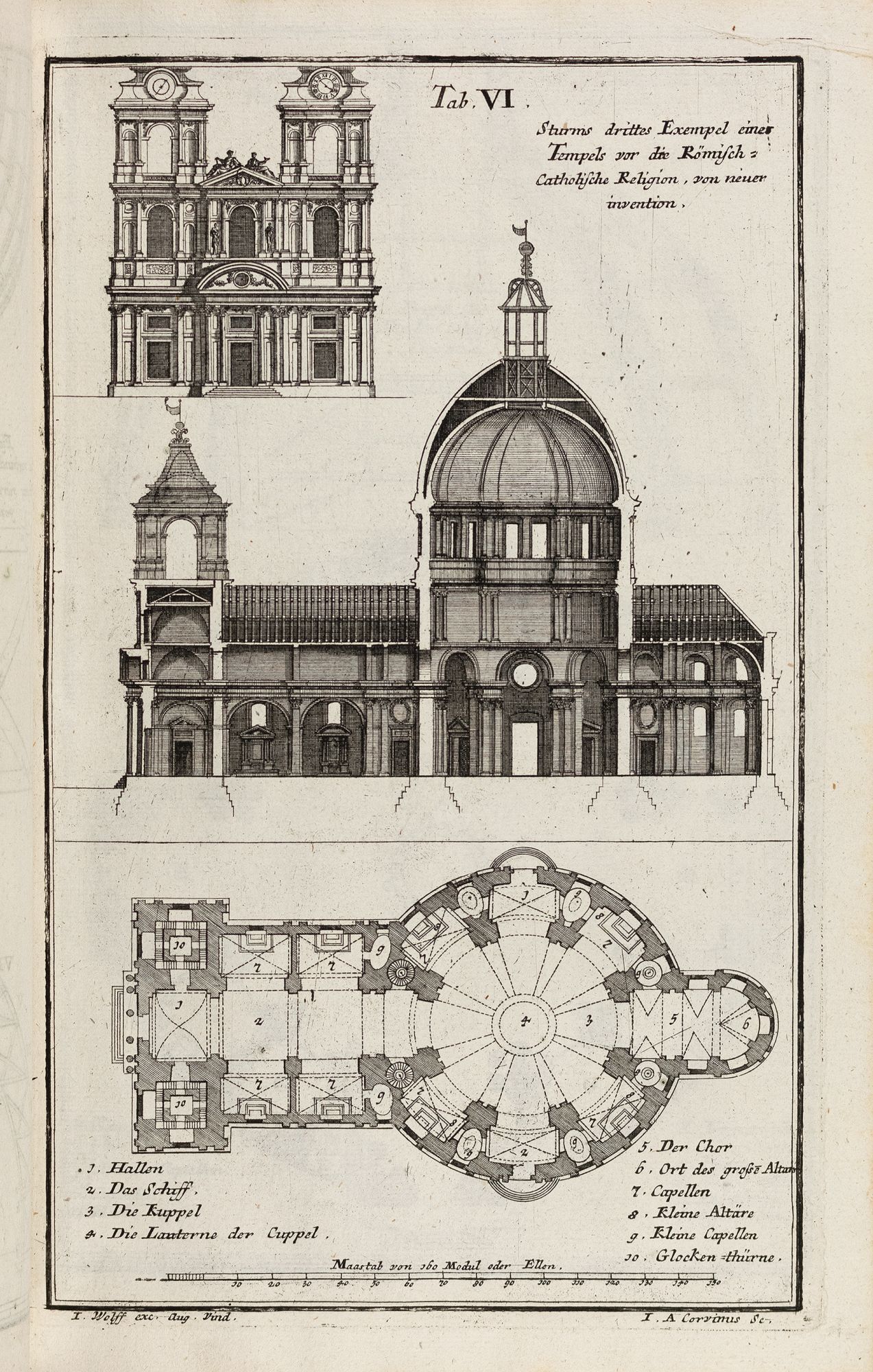
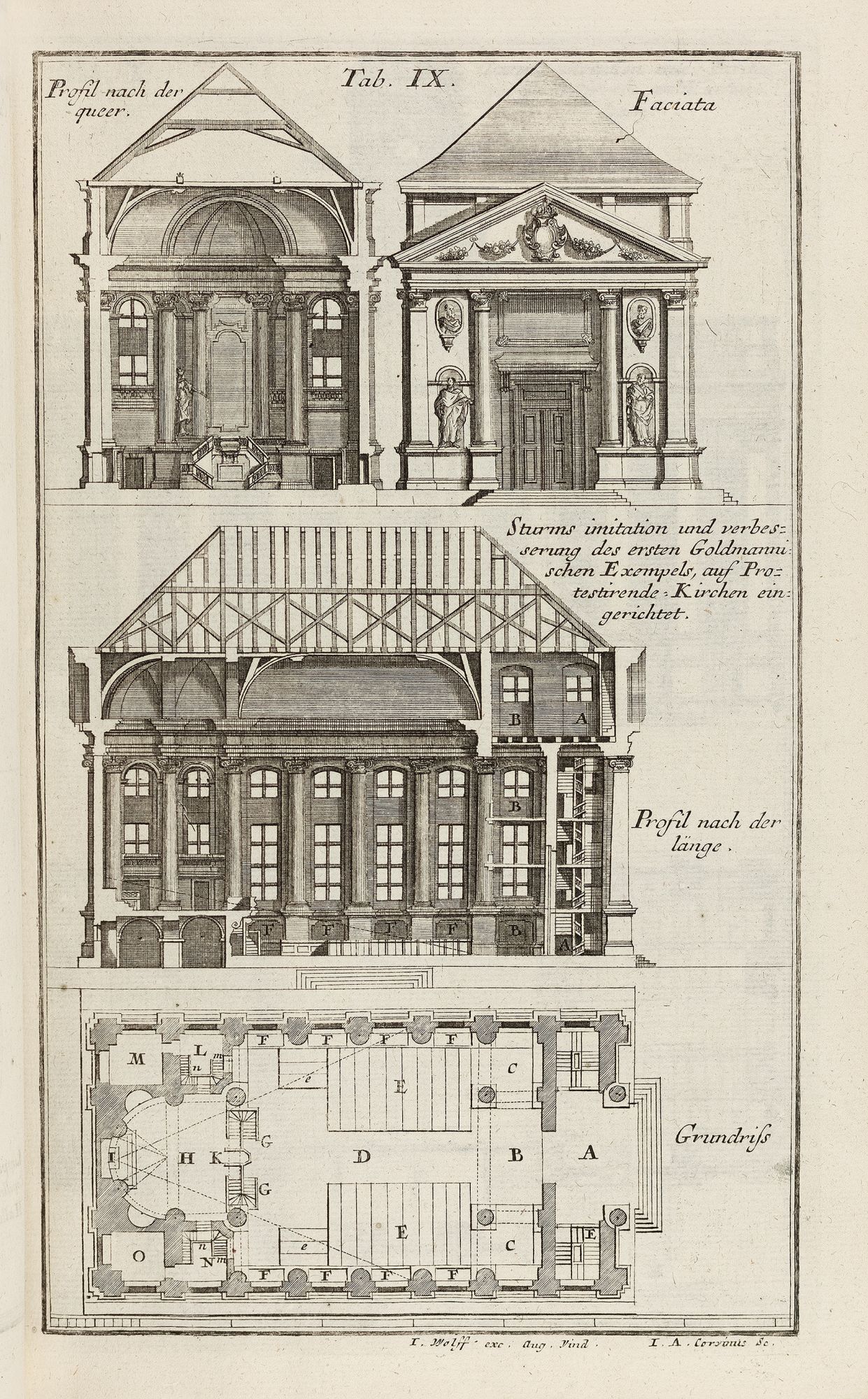
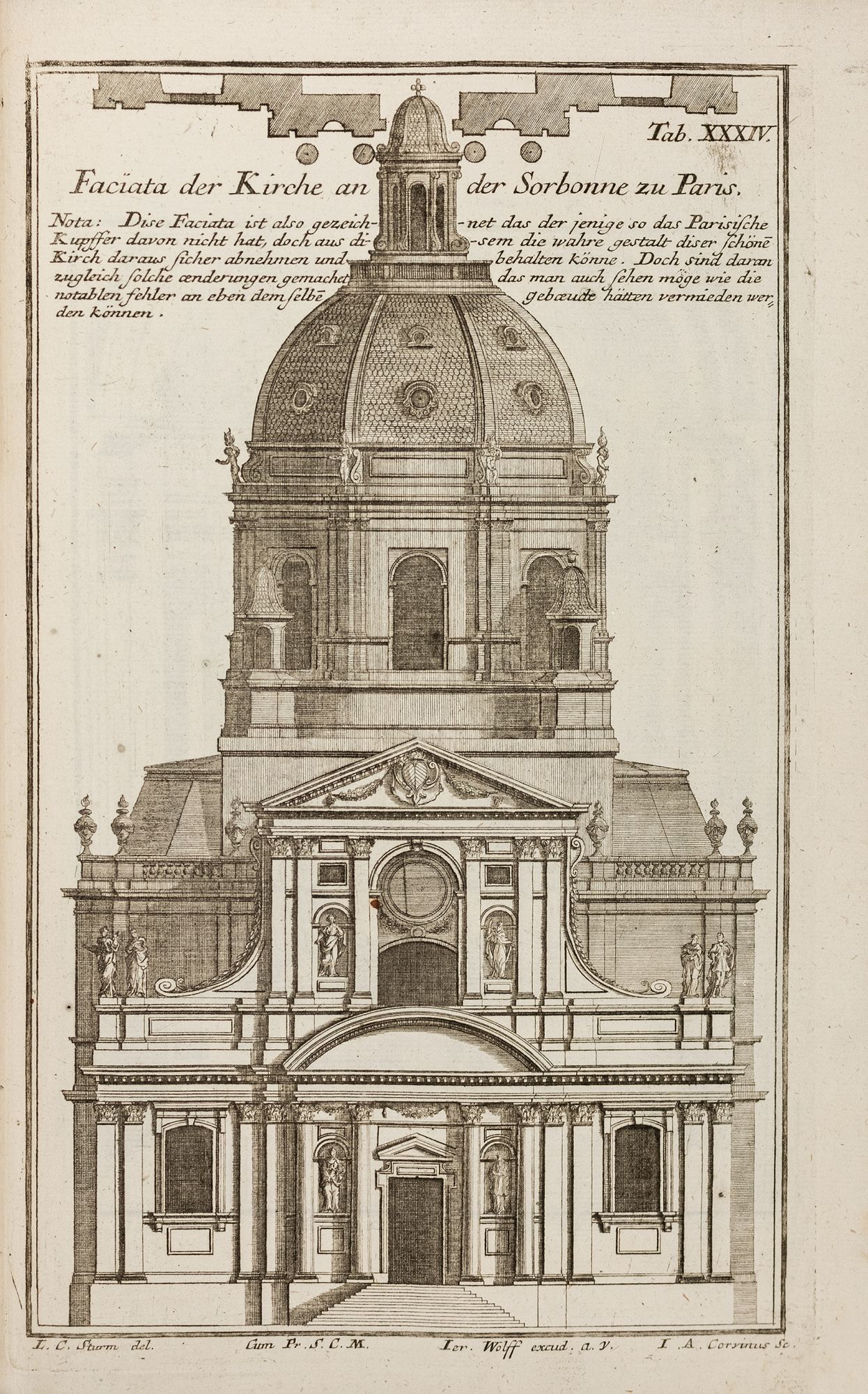
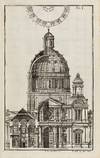
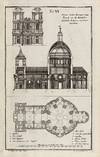
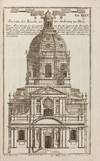
However, Sturm not only goes into breadth, but also into depth. In the section on palace construction, for example, Sturm explains the ceremonial necessities that led to the layout and sequence of rooms. We learn, for instance, how large a parade bed that is not actually used must be and how much space the hidden, actually used bedchamber should take up.The architectural differences between Protestant and Catholic church buildings, which are derived from liturgical differences, are also discussed in detail. In this way, Sturm's compendium is not only an architectural-historical source, but also a cultural-historical one that provides insight into the practices of the time. For example, the remarks on Protestant church building reveal the importance that Lutherans still attached to private confession at the time. Although Sturm was a Protestant theologian, he devoted a lot of space to the cupolas of Catholic church buildings because they "require the greatest science of all buildings" and give the buildings the "most glorious appearance". Last but not least, he sees the necessity in the fact that "so little or almost nothing has been written about the construction of such buildings".
The conclusion of the numerous individual writings, each of which deals intensively with one area of architecture, is a description, consisting of printed letters, of a journey Sturm made through Germany via the Netherlands (Amsterdam, Urecht, Antwerp, Brussels etc.) to Paris shortly before his death. The individual stops and the inspection of buildings and mechanisms are described in letters. In particular, the architecture of Paris is explained in detail. Even the Louvre alone has more pages devoted to it than the whole of Amsterdam. He is also interested in construction technology and takes a close look at a "machine" made by the carpenter Ponce Cliquin, which was used to lift heavy stones to the upper floors. At the same time, he also deals with the respective architectural-historical borrowings, which he elaborates with reference to architectural theory and comparisons with Roman architecture, for example. Sturm also seems to have had access to the interiors, which he describes in detail. Churches and monasteries are described not only in architectural terms, but also in their sculptural and pictorial settings.
But his most extensive discussions are of the Versailles palace and gardens. Rather than beginning with the avenues, he starts with the aqueducts, metal pipes, and the ingenious mechanisms that made the water features on the hill possible. The costly system was an unparalleled technical innovation at the time. But Sturm also portrays the garden itself as a place where new machines were used. They enabled the gardeners to create a calculated interplay between light and shade as well as plants, sculptures and water features. He also provides a detailed explanation of the interior decoration of the palace, including the furniture, textiles, materials, and paintings used. The journey back took him through St. Denis and Amiens, among other places; the Baroque rejection of the Gothic style is clearly stated ("old-fashioned evil"). Even the "architectural travel notes" alone secured Sturm a place alongside Fischer von Erlach among his contemporaries (cf. Rust). The importance of Sturm's works as fundamental compendia on architecture is also clear not least from the fact that they found their way into the basic literature written especially for the scholarly world (ibid).
In the following, the individual titles are listed according to the alphabetical order explained by the publisher in the preface:
(A): Kurtze Vorstellung der gantzen Civil-Bau-Kunst, worinnen erstlich die vornehmsten Kunst-Wörter (...) erkläret (...) werden [Brief introduction to the entire art of civil construction, in which first of all the most important art words (...) are explained (...)]. 1745. 32 p. with 11 copper engravings.
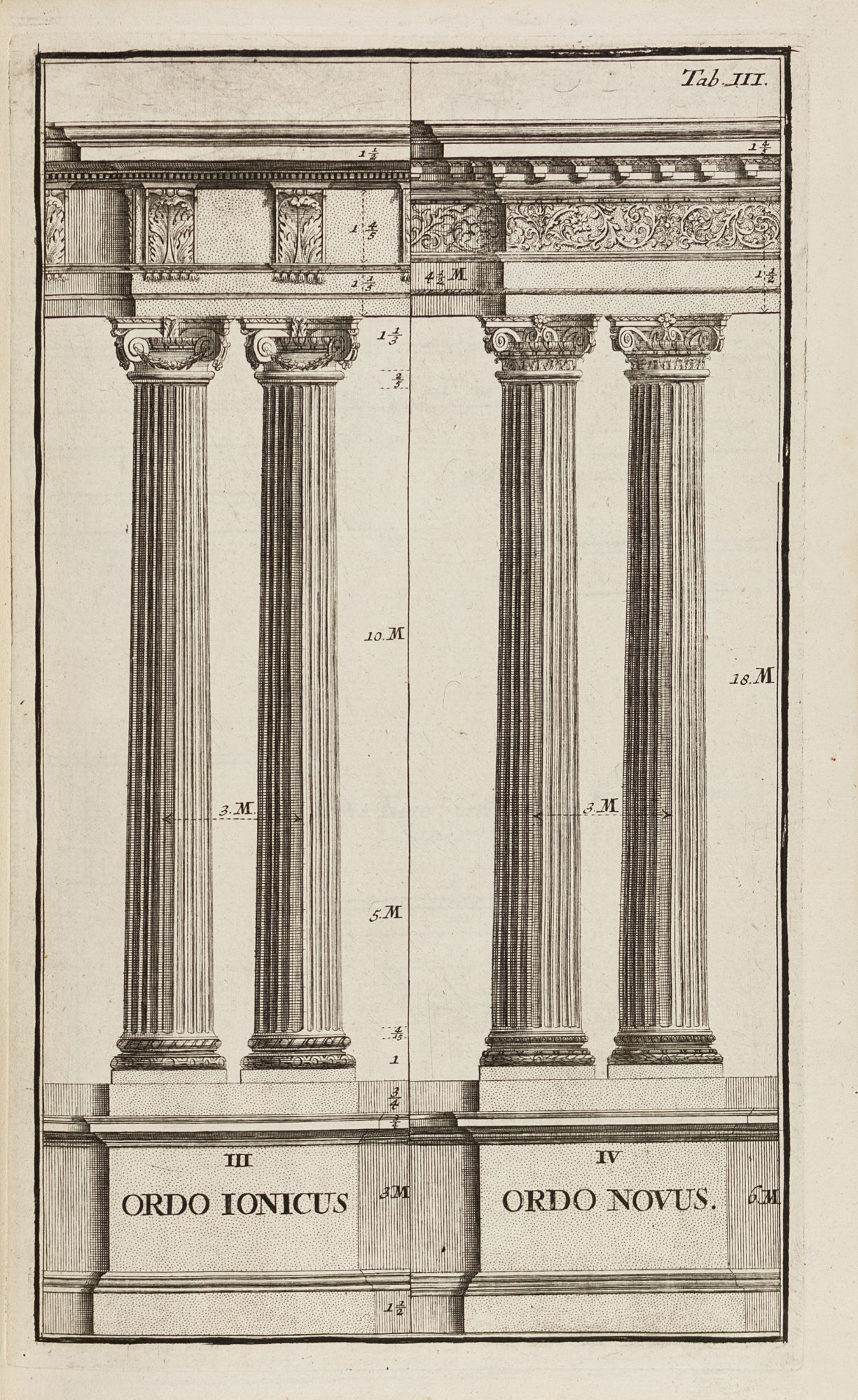
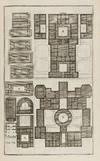
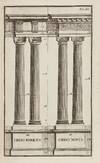
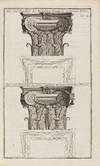
(B): Vollständige Anweisung, alle Arten von regularen Pracht-Gebäuden (...) zu erfinden, auszutheilen und auszuzieren, nebst einer gedoppelten Vorstellung der sechs Ordnungen (...) [Complete instructions on how to invent, execute and decorate all kinds of regular magnificent buildings (...), together with a doubled presentation of the six orders (...)]. 1716. [68] pp. with 72 copper engravings (incl. frontispiece).
(C): Vollständige Anweisung die Bogen-Stellungen nach der Civil Bau-Kunst (...) einzutheilen [Complete instruction to divide the bow positions according to the civil art of construction (...)]. 1718. 18 pp. with 19 copper engravings.
(D): Abhandlung von den Bey-Zierden der Architectur, welche durch Mahlerey und Bildhauerey zuwege gebracht werden [Treatise on the ornamental aspects of architecture achieved through painting and sculpture]. 1720. 18 pp. with 5 copper engravings.
(E): Die unentbährliche Regel der Symmetrie (...) Wie sie zuförderst an dem herrlichsten Exempel des Göttlichen Tempels von Salomone erbauet (...) [The inalienable rule of symmetry (...) as it was first built on the most splendid example of the Divine Temple of Solomon]. 1720. 16 pp. with 10 (4 folding) copper engravings.
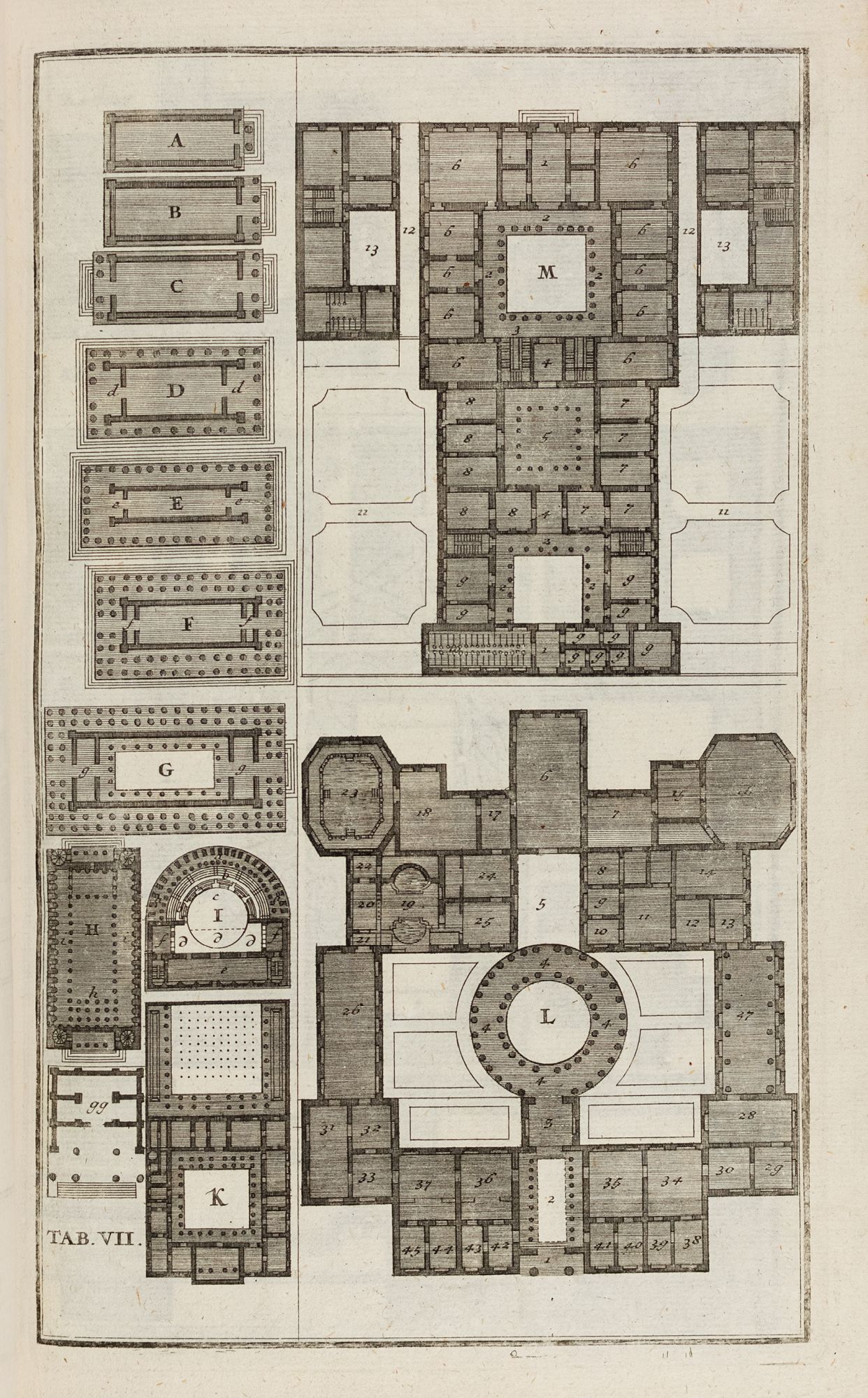
(F): Vollständige Anweisung Innerer Austheilung der Gebäude [Complete instructions for the interior arrangement of the buildings]. 1720. 12 pp. with 7 copper engravings.
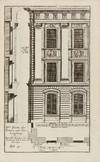
(G): Vollständige Anweisung alle Arten von bürgerlichen Wohn-Häusern wohl anzugeben. [Complete instructions for all types of bourgeois dwellings]. 1721. [16| pp. with 15 copper engravings.
(H): Vollständige Anweisung alle Arten von Kirchen wohl anzugeben [Complete instructions for all types of churches]. 1718. 39, [1] pp. with 22 copper engravings.
(I): Vollständige Anweisung allerhand oeffentliche Zucht- und Liebes-Gebäude (...) wohl anzugeben [Complete instructions for all kinds of public breeding and welfare buildings]. 1720. 26 pp. with 15 (2 folding) copper engravings.
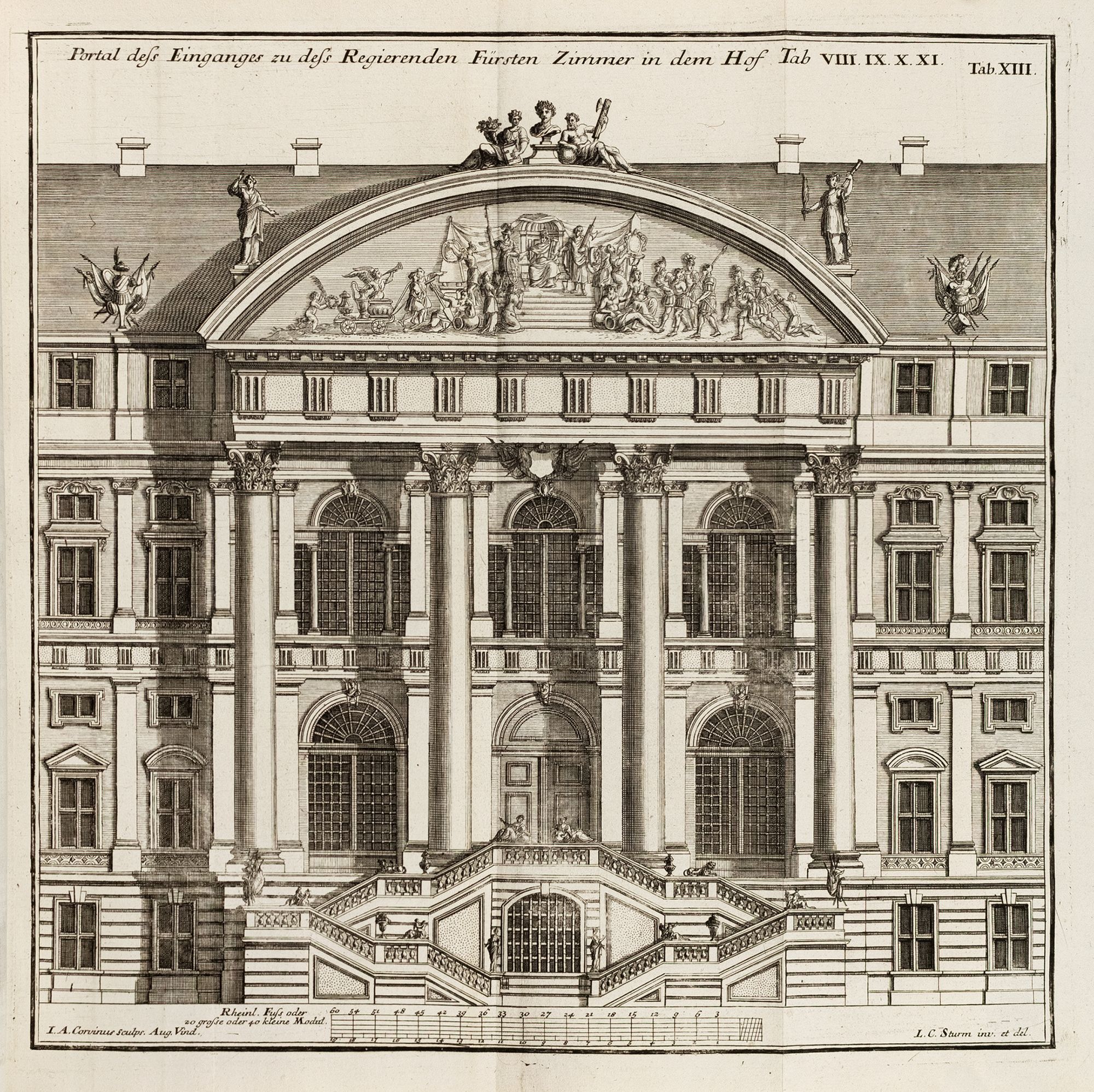
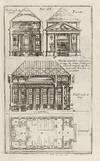
(K): Vollständige Anweisung Regierungs-, Land-und Rath-Häuser wie auch Kauff-Häuser und Börsen zierlich anzugeben [Complete instructions for government, country and council houses as well as merchant houses and stock exchanges]. 1718. 24 pp. with 13 (6 folding) copper engravings.
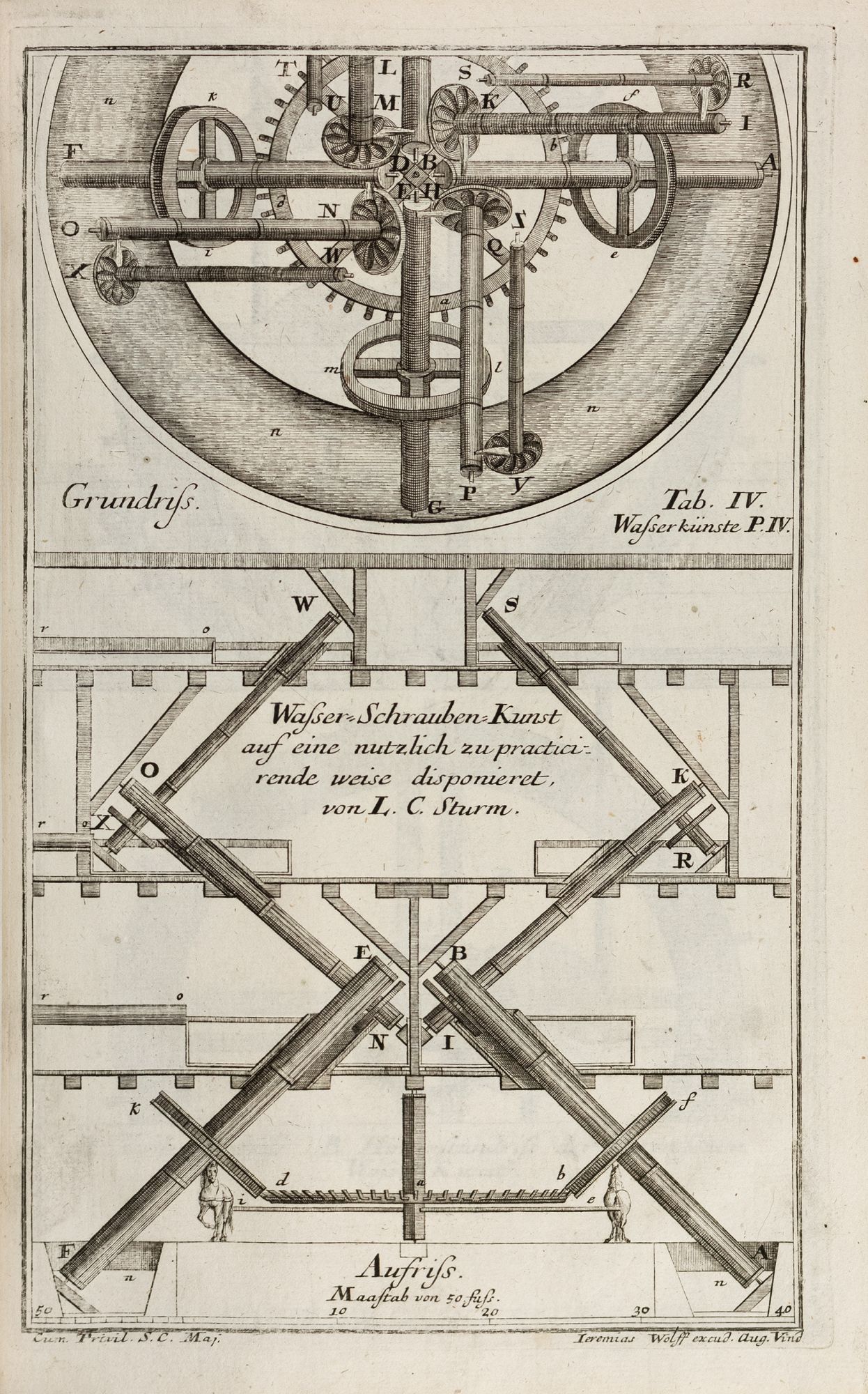
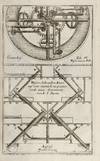
(L): Vollständige Anweisung Wasser-Künste, Wasserleitungen, Brunnen und Cisternen wohl anzugeben [Complete instruction on water arts, water pipes, wells and cisterns]. 1752. 18 pp. with 10 copper engravings.
(M): Arcitectura civili-militaris: Oder: Vollständige Anweisung Stadt-Thore, Brucken, Zeug-Häuser, Casematten und andere Souterrains der Wälle, Casernen, Baraquen Corps de Gardes, und Proviant-Häuser behörig anzugeben [Arcitectura civili-militaris: Or: Complete instructions for the city gates, bridges, armory houses, casemates and other souterrains of the ramparts, barracks, barracks corps de gardes, and provision houses.]. 1719. 42 pp. with 19 (2 folding) copper engravings.
(N): Vollständige Anleitung Schiff-Häuser oder Arsenale und Anfuhrten oder See-Häfen gehörig anzugeben [Complete instructions for ship houses or arsenals and ports of call or seaports]. 1721. 10 pp. with 4 (1 folding) copper engravings.
(O): Vollständige Anweisung, Grabmahle zu Ehren der Verstorbenen, Wie auch Parade-Betten und Castra Doloris, verstorbener Fürsten Denck-Säule behörig anzugeben [Complete instructions for graves in honor of the deceased, as well as parade beds and Castra Doloris, deceased princes Denck column]. 1720. 8 pp. with 4 (1 folding) copper engravings.
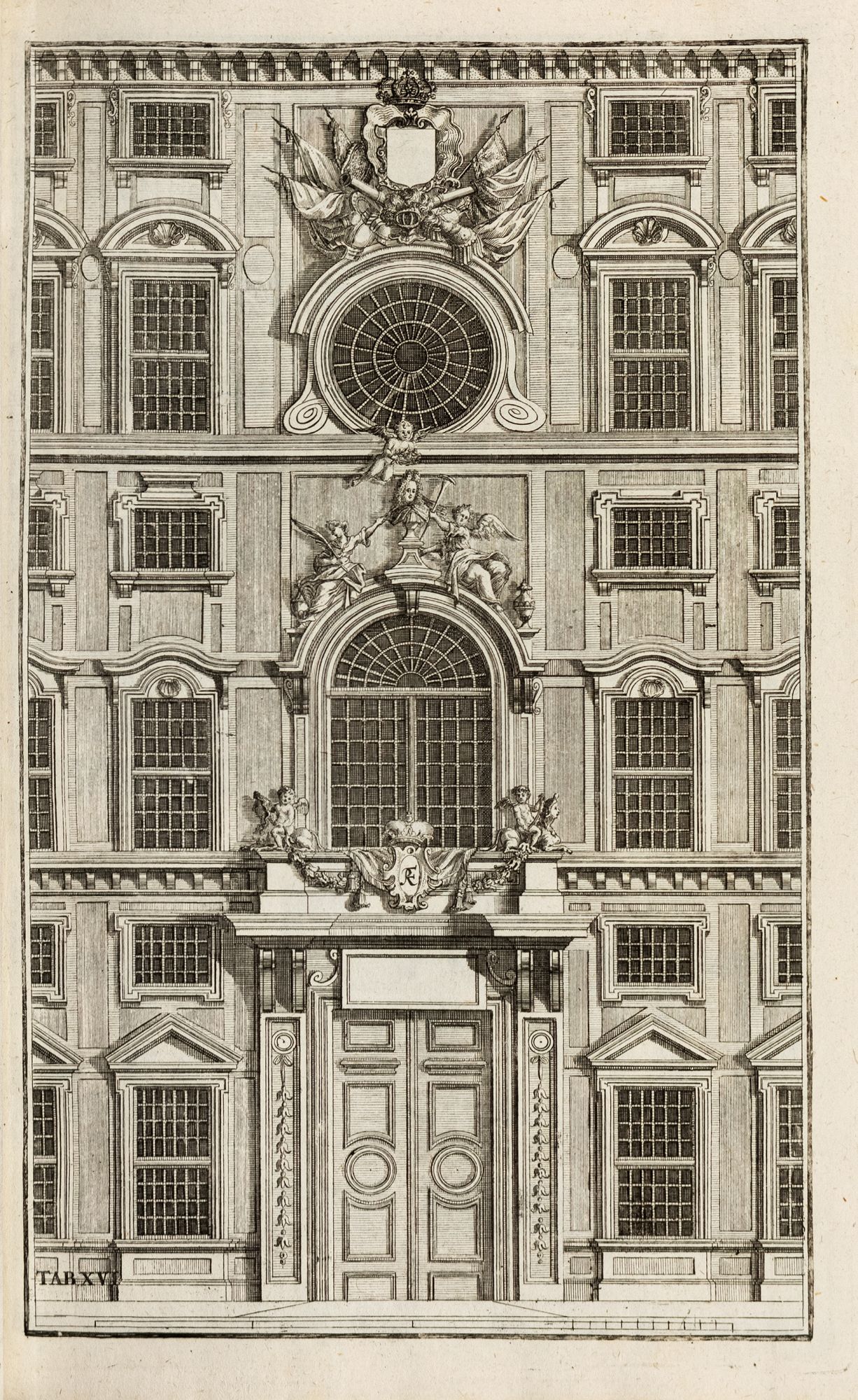
(P): Vollständige Anweisung, grosser Herren Palläste (...) anzugeben [Complete instructions for large palaces]. 1718. 84, [4] pp. with 38 (12 double-page, 1 folding) copper engravings.
(Q): Von Land-Wohnungen und Meyereyen, sonderlich vor die von Adel [About country apartments and country residences, especially those of nobility]. 1721. [20] pp. with 9 copper engravings.
(Supplement b): Auffrichtige Entdeckung, des zu Auffnahm der Länder und Commercien höchst-nutzlichen Nivellirens oder Wasserwägens [Discovery of (...) water weighing]. 1720. 18 pp. with 4 copper engravings.
(Supplement c): Gründliche und practische Unterweisung, wie man Fang-Schläussen und Roll-Brücken (...) bequem bauen solle (...) [Thorough and practical instruction on how to build catch sluices and rolling bridges comfortably]. 1720. [28] pp. with 8 copper engravings and 2 copper engravings mounted on text pages.
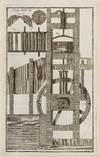
(Supplement d): Vollständige Mühlen Baukunst [The complete art of mill construction]. Augsburg: Joh. Georg Hertel, no year. Engraved title page, [4], 35, [1] pp. with 51 copper engravings.
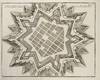
(Supplement e): Freundlicher Wett-Streit der französischen, holländischen und teutschen Krieges-Bau-Kunst [Friendly competition between the French, Dutch, and German art of war construction]. 1740. [6], 66 pp with 19 folded copper engravings.
(Supplement f): Durch einen grossen Theil von Teutschland und den Niederlanden bis nach Paris gemachete architectonische Reise-Anmerckungen [Architectural notes on a travel through a large part of Germany and the Netherlands to Paris]. Augsburg: Joh. Georg Hertel, 1760. 144 pp. with 52 (11 folding) copper engravings.
Millard III, 129 (in this compilation also without supplement a, partly other years of publication); Ornamentstichkat. Berlin. 1993 (A-Q, b-c; partly other years of publication).